Cold Plunge vs Infrared Sauna: Which Is Better for Recovery?
Cold Plunge vs Infrared Sauna: if you want a simple answer, here it is:
Cold plunges are better for short-term soreness relief and that “I feel recovered” boost. Infrared sauna is better for staying consistent, supporting blood flow, and feeling better week after week.
But the real answer is the one nobody wants to hear:
It depends on what you’re trying to recover for… and what you’re trying to recover from.
In the cold plunge vs infrared sauna debate, the “better” option depends on what you’re training for.
If you’re brand new to cold exposure, start with my beginner guide here: Cold Plunging for Beginners: How I Figured Out If This Was Real or Just Another Wellness Trend.
What “recovery” actually means
Most people use the word recovery like it’s one thing. It’s not. You might mean:
- “My legs are destroyed and I need relief today.”
- “I have to perform again tomorrow.”
- “I want to keep building muscle/strength long-term.”
- “I want to feel calmer, sleep better, and stop feeling beat up.”
- “My joints are cranky and I’m trying to stay durable.”
Different goals = different tools.
If your legs are wrecked after training
- cold plunge usually makes more sense when you want faster short-term soreness relief
- infrared sauna usually makes more sense when you want to loosen up, relax, and recover without adding more stress
- if leg day keeps wrecking you for multiple days, sauna is often easier to keep using consistently
My real-world take (no fluff)
Cold plunge: immediate relief + mental reset
When I’m really sore—those days where walking is an effort—you gotta hit the plunge.
Same deal when you’re in a bad mood, stressed, or even hungover. I’ve found it’s almost impossible to stay genuinely pissed off after a cold plunge. You may not be sunshine and rainbows when you get out, but I bet you won’t be angry anymore either.
Why? Because when you’re in that water, you’re not thinking about your problems or your soreness. You’re thinking: “How fast can I get the F$%k out of this thing?”
That’s the magic of it. You’re miserable while you’re in it, but it pulls your attention away from everything else. Then you get out and you feel sharper, calmer, and more alive.
And yes—cold can be used consistently even if it’s not for soreness at all. There’s real evidence that cold water exposure triggers a strong “wake up” response (sympathetic activation) and can improve mood and cognitive feel for some people, which is why a morning plunge can genuinely help you feel more alert and ready for the day.
Also, there’s a mental edge to doing something hard early. If you start your day by choosing discomfort on purpose, the rest of your day feels easier by comparison. That part is mindset, not science—but it’s real.
Infrared sauna: easy consistency + long-term feel-good
Now the sauna is the opposite. There’s no convincing needed. It’s a joy.
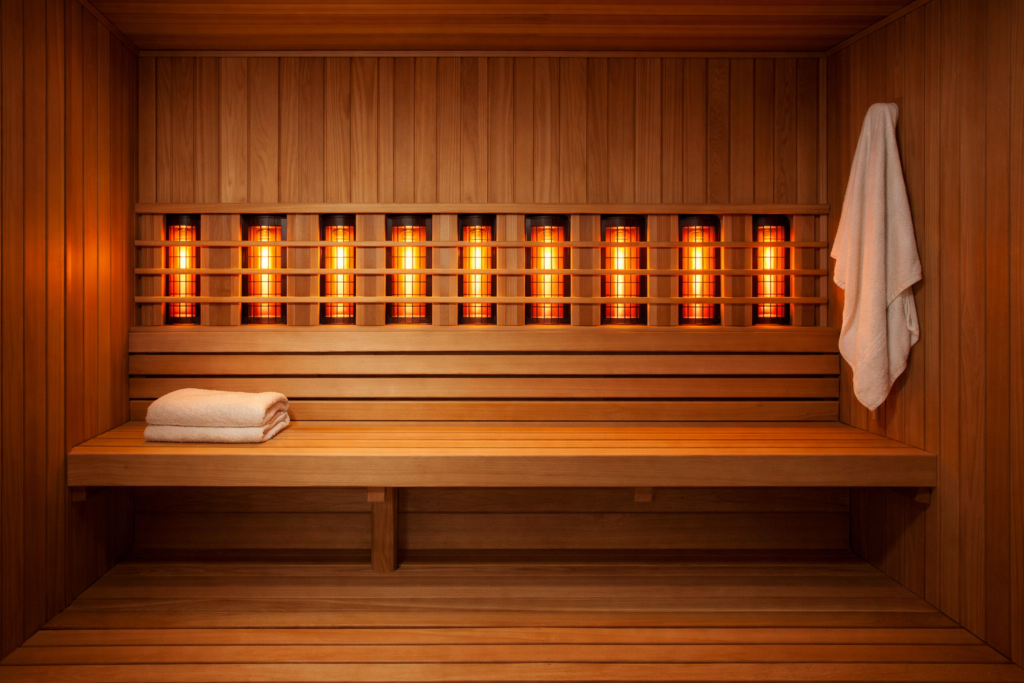
I like the smell of the wood. I like the slow heat-up in an infrared sauna because it doesn’t hit you like a freight train right away. I’ll listen to a podcast or chill music and just decompress.
And even if it did nothing beyond that, I’d still use it. But it does do something.
I had joint pain I couldn’t shake. Hydration, stretching, supplements, clean diet—nothing fixed it. After several sauna sessions, it was gone and it hasn’t returned.
Same with leg soreness. Monday leg day used to ruin me through Thursday. That constant soreness was getting old. Since using the sauna regularly, that has basically been a thing of the past.
Here’s the exact schedule I actually follow (including how long and how often): The Smart Infrared Sauna Routine for Muscle Recovery.
So are they both good? Yes.
Which one is better? You be the judge—after you match it to your goal.
If infrared sauna is new to you, read this first so you don’t overdo it: A Beginner’s Guide to Infrared Sauna.
Cold plunge: what the research supports (simplified)
What it does well
Cold water immersion can reduce delayed-onset muscle soreness and improve perceived recovery in the first 24–48 hours after hard training.
Translation: it helps you feel better fast, even if it’s not “building” anything long-term.
Cold exposure also triggers a strong stress-response cascade (fight-or-flight style activation), which helps explain why people often feel more alert and “awake” afterward.
If you want to see the research summary, here’s a solid review: cold water immersion and soreness/recovery (review).
Where it can backfire
If you lift for muscle and strength and you cold plunge after heavy sessions all the time, there’s evidence it can reduce long-term strength and hypertrophy gains versus other recovery methods.
Translation: if your main goal is building muscle/strength, don’t automatically plunge after every heavy lift like it’s a rule.
Here’s one of the studies people reference on cold plunge potentially blunting strength/hypertrophy when used routinely after lifting: CWI after strength training (trial).
Infrared sauna: what the research supports (simplified)
Infrared sauna research isn’t as massive as cold-water research, but it’s promising.
A study in trained athletes found that a single post-exercise infrared sauna session was linked with less soreness and better maintenance of explosive performance compared with passive recovery.
And in general, heat supports circulation, relaxation, and downshifting your nervous system—things that matter a lot for recovery quality (especially sleep).
What we don’t have yet: giant long-term trials proving an “optimal dose” for everyone (exact time/temp/frequency).
But here’s the key point for most lifters:
There’s no strong evidence that infrared sauna consistently blunts gains the way frequent post-lift cold immersion can.
This paper is a good starting point on post-exercise infrared sauna and performance/soreness: infrared sauna after exercise (study).
Which is “better”? Match it to the goal
Choose cold plunge when:
- You’re wrecked and want short-term soreness relief
- You have back-to-back training or events and need to feel fresher quickly
- You want a mood reset and a strong “wake-up” tool
- You want a daily discipline habit that makes everything else feel easier
- If cold plunge sounds like the better fit, start here: Best Cold Plunge Tubs for Home Recovery
Choose infrared sauna when:
- You want a recovery habit you can actually stick to consistently
- You want blood flow, relaxation, and better sleep support
- You want to stay durable and manage joint stiffness
- You want recovery that doesn’t fight your long-term training progress
- If sauna sounds like the better long-term fit, start here: Best At-Home Infrared Saunas for Recovery
Simple rules you can actually follow
If you lift for muscle/strength
- Make sauna your default recovery tool most days
- Use cold plunges strategically, not automatically
- Especially avoid making cold plunge a strict post-leg-day ritual if size/strength is your priority
If you train frequently or compete
- Cold plunge becomes more useful as a short-term soreness tool
- Sauna is great on easier days or evenings for relaxation and sleep support
- If you want a simple frequency guideline (without turning this into an obsession), read: How Often Should You Cold Plunge for Recovery?.
If you’re a busy adult training for health + feeling good
- Sauna is the safer “default” recovery habit
- Cold plunge is a bonus tool for mood, alertness, and occasional soreness relief
Practical use (keep it simple)
Cold plunge
Use it when it serves a purpose:
- brutal soreness days
- stressful days
- mornings when you need to wake up and flip the switch
If you’re building muscle/strength, don’t use it as a reflex after every heavy lift.
Quick safety note: cold water immersion is a real cardiovascular stressor and isn’t smart for everyone (especially if you have heart issues). Be responsible.
Infrared sauna
Use it for consistency:
- regular sessions you can stick to
- relaxation and recovery routine
- soreness/joint stiffness management
Contrast therapy makes the most sense when:
- you want cold for immediate soreness relief and sauna for longer relaxation
- you train hard but still want a recovery routine you can actually enjoy
- you want a simple home setup that gives you multiple recovery options
If that’s the direction you’re leaning, read my contrast therapy breakdown here: Contrast Therapy: What the Science Says (and What I’ve Personally Learned).
Who should use cold only, sauna only, or both?
Cold plunge only makes more sense if:
- your main goal is short-term soreness relief
- you want a mental reset or wake-up effect
- you do not want to spend long sessions recovering
Infrared sauna only makes more sense if:
- you want the easier habit to stick with
- you care more about relaxation, blood flow, and consistency
- you want recovery that supports training without the same risk of overdoing cold
Using both makes more sense if:
- you want immediate recovery plus longer-session relaxation
- you are building a dedicated home recovery setup
- you want a fuller recovery routine, not just one tool
Final verdict
Cold plunge is the king of short-term relief and mental reset. Infrared sauna is the king of consistency and long-term “I feel better week after week” recovery.
Which is better?
It depends on what you’re trying to recover for.
If you want relief today, plunge.
If you want to feel better long-term, sauna.
If you want the best of both worlds, use both—but don’t use them the same way.
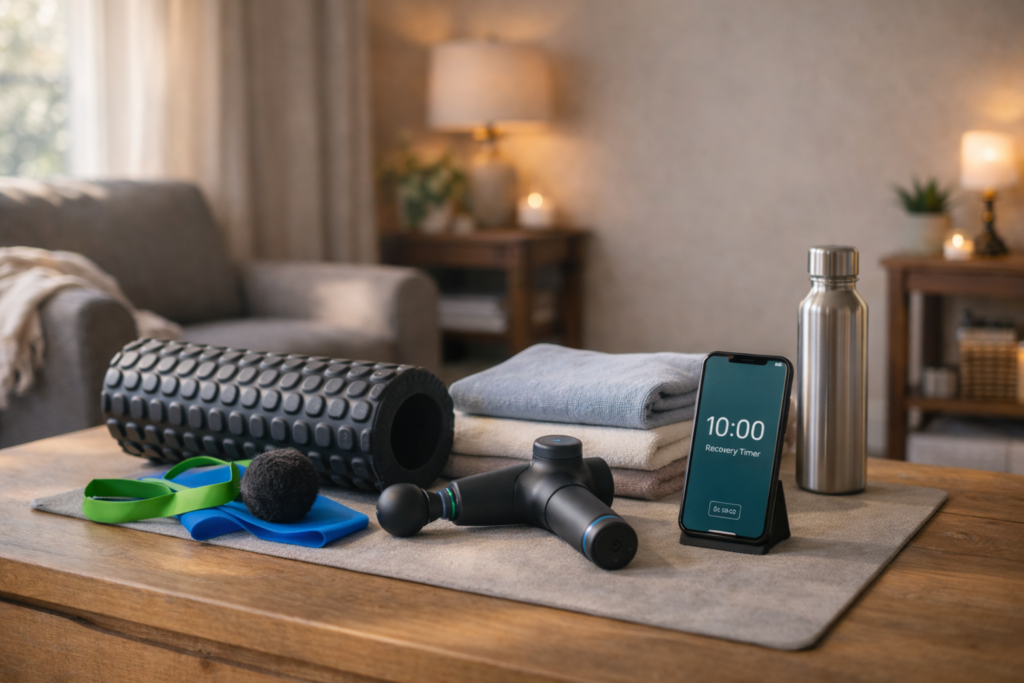
If you’re trying to make recovery automatic (and actually sustainable), start here: The Best At-Home Recovery Setup for Busy Schedules — it’s the simplest way to remove friction and stay consistent.