Best Cold Plunge Tubs for Home Recovery (2026 Guide)
Shopping for a cold plunge tub gets confusing fast.
Some setups look premium but cost more than most people need to spend. Others are cheaper, but still leave you dealing with compromises in cooling, filtration, insulation, or durability. And once you start comparing price, footprint, maintenance, and how often you’ll realistically use it, it becomes clear that the “best” cold plunge depends on your budget, space, and recovery goals.
If you want the short version: some buyers need the easiest budget-friendly way to get started, while others should care more about long-term build quality, cleaner water, and a setup they won’t outgrow in six months. Some may be deciding between inflatable and hard-shell portable tubs, if so, read my comparison Best Portable Cold Plunge Tubs: Inflatable vs Hard Shell.
This guide breaks down the best cold plunge tubs for home recovery based on what actually matters in a repeatable home setup.
Quick Picks
Best Cold Plunge for Most People: Desert Plunge
Best Budget Cold Plunge for Beginners: Titan Wellness Cold Plunge
Best Premium Home Recovery Setup: Sun Home Cold Plunge Pro
Best for Serious Recovery Use: ReGen Total Wellness Cold Plunge
Best for Smaller Footprints: Nordic Wave Viking Premier Cold Plunge
Fast Decision Shortcut
If you want the most balanced value option, start with Desert Plunge.
If you want the most affordable real-brand entry point, start with Titan Wellness.
If you want the most polished premium setup, look hardest at Sun Home.
If you care more about repeat use and durability than aesthetics, ReGen makes a lot of sense.
If space is tighter and you want a more vertical footprint, Nordic Wave is the niche option.
Quick Comparison Table
| Cold Plunge | Best For | Key Strength | Main Trade-Off | Price Range |
|---|---|---|---|---|
| Desert Plunge | Buyers wanting a value-focused hard-shell upgrade | Hard-shell construction with stronger long-term value than basic starter tubs | Less polished than premium luxury tubs | Lower to mid-range |
| Titan Wellness Cold Plunge | Beginners entering the cold plunge space | Lower-cost entry point from a real brand | Not a hard shell | Budget |
| Sun Home Cold Plunge Pro | Premium home recovery setups | Polished, premium feel with strong home-gym/recovery room fit | Expensive | Premium |
| ReGen Total Wellness Cold Plunge | Recovery-focused users who want durability | Recovery-focused build with stronger durability/use-case positioning | Higher cost than entry-level options | Premium |
| Nordic Wave Viking Premier Cold Plunge | Small footprint / vertical plunge shoppers | Distinct vertical design and strong visual identity | More niche fit | Premium |
Who This Guide Is For
This guide is for you if:
- you train regularly and want a home recovery tool you’ll actually use
- you are tired of the “just dump ice in a tub” advice
- you want a setup that fits your budget, space, and tolerance for maintenance
- you are deciding between a DIY path, a portable plunge, or a premium tub
This is not for you if:
- you want me to pretend the most expensive option is automatically the best
- you are looking for medical claims or miracle health promises
- you are never realistically going to use the thing more than once every few weeks
Cold plunges can be useful for recovery, routine, and consistency. They are not magic. If the setup creates too much friction, it usually turns into an expensive conversation piece.
How I Evaluated These Cold Plunge Tubs
Since I have not personally used every commercial unit on this list, I looked at these through the lens that matters most for a recovery-focused home setup:
- cooling system
- filtration
- insulation
- overall build quality
- ease of setup and maintenance
- space requirements
- price relative to what you’re actually getting
- whether the setup feels practical for repeat use
That last point matters more than people think.
My own experience building a chest-freezer plunge taught me that cold is only part of the equation. The real issue is whether the setup is clean, consistent, manageable, and realistic for your life. If it’s a pain to use, you probably won’t use it enough for it to matter.
Best Premium Cold Plunge for a Polished Home Recovery Setup
Sun Home Cold Plunge Pro
Sun Home makes sense for the person who wants their cold plunge to feel like part of a serious home recovery room, not a side project sitting awkwardly in the garage.
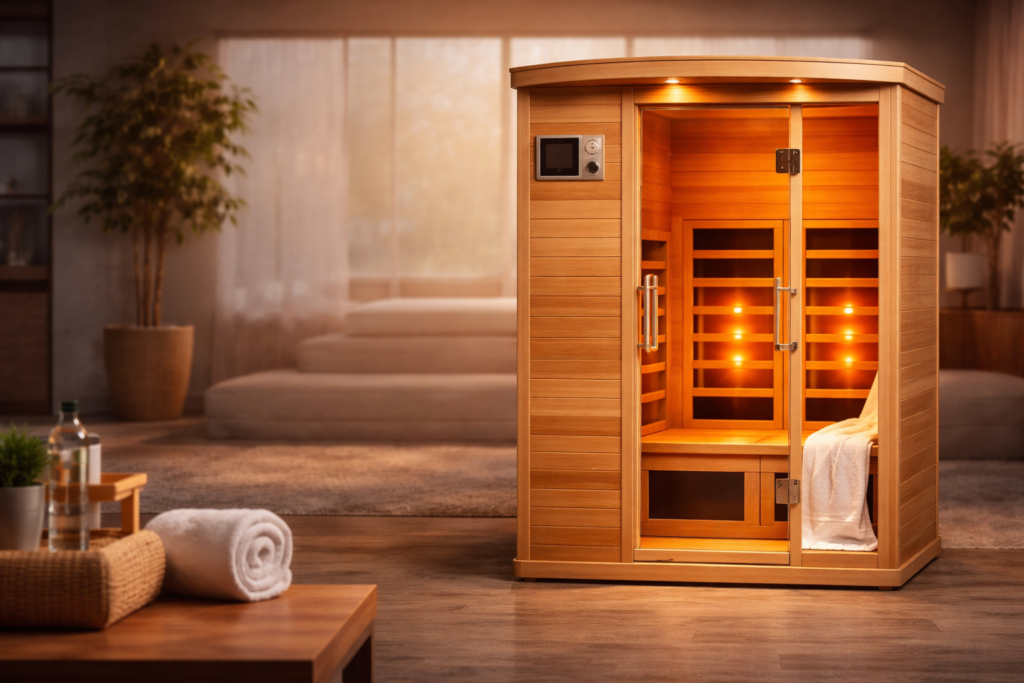
The appeal here is pretty straightforward: it looks clean, feels premium, and fits well with the kind of buyer who is already considering an infrared sauna, better flooring, and a home setup that doesn’t look like they scavenged it from Craigslist and misplaced ambition.
Why it makes sense:
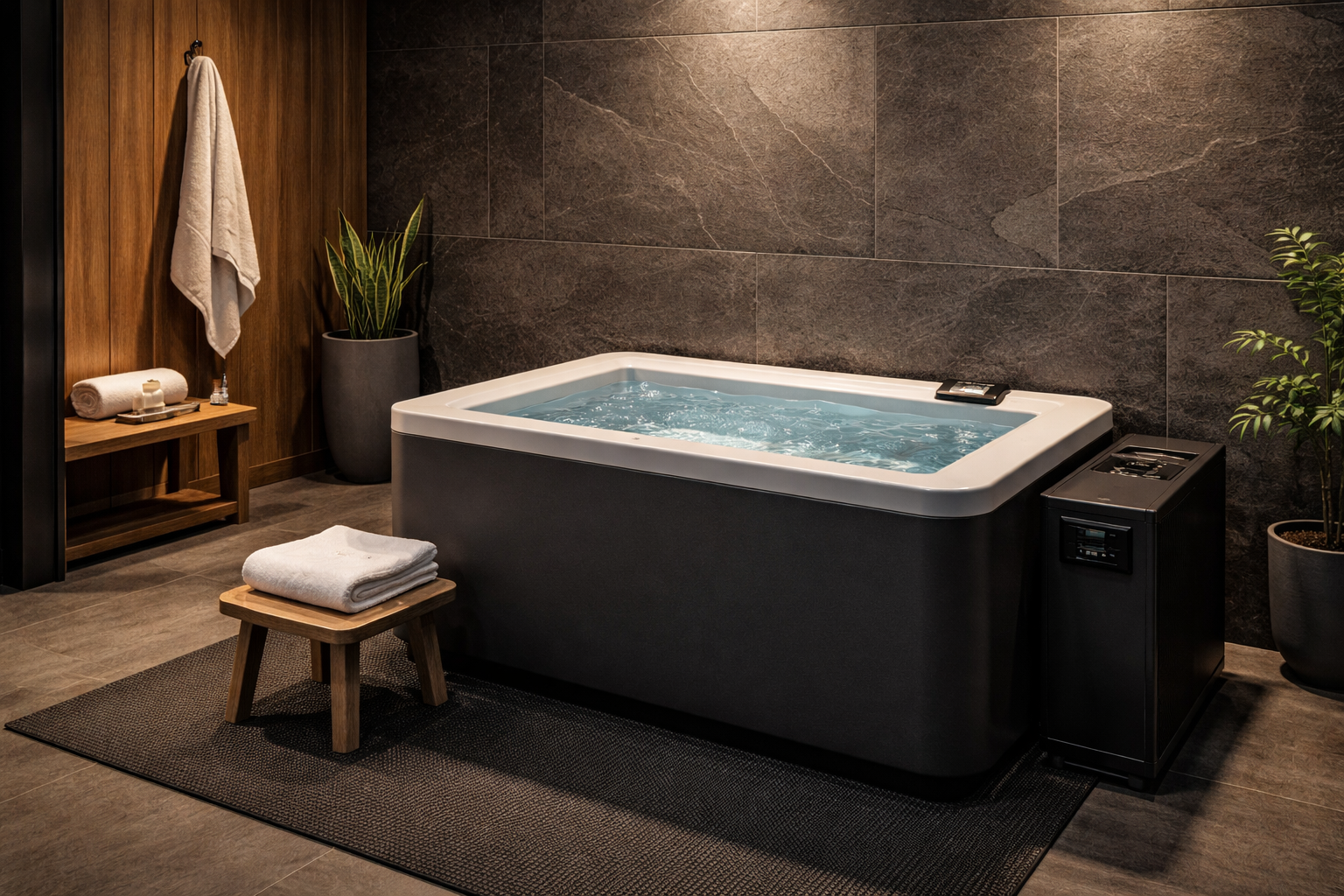
- polished, indoor-friendly look
- premium positioning
- good fit for a long-term home recovery setup
- pairs naturally with sauna-focused recovery routines
Main trade-off:
- the price will immediately filter out casual buyers
Who should consider it:
Someone who wants a high-end, low-friction cold plunge that fits a serious home gym or recovery room.
Who should skip it:
Anyone still trying to decide whether they even like cold plunging. This is not the “just test it out” option.
Check Sun Home Cold Plunge Pro
Best Cold Plunge for Serious Recovery Use
ReGen Total Wellness Cold Plunge
ReGen stands out as a strong option for people who care less about social-media aesthetics and more about having a cold plunge that feels built for consistent use.
That matters.
A lot of the cold plunge content online leans hard into trend, discipline theater, and shock-value marketing. ReGen feels like a better fit for the person who actually wants the plunge to become part of a repeatable recovery system.
Why it makes sense:
- strong recovery-focused positioning
- built around regular use rather than novelty
- better fit for people who want durability and consistency
- easier to recommend to someone serious about recovery habits
Main trade-off:
- still a meaningful investment, especially if you are moving up from a DIY setup
Who should consider it:
Someone who wants a purpose-built home cold plunge and plans to use it regularly.
Who should skip it:
Someone mainly shopping based on appearance or looking for the absolute cheapest path in.
Check ReGen Total Wellness Cold Plunge.
Use SMARTLAB300 for $300 off.
Best Cold Plunge for Budget-Conscious Beginners
Titan Wellness Cold Plunge
Titan Wellness makes the most sense as the entry-level option in this lineup.
That is not a knock. It is actually useful.
Not everyone needs a premium plunge right away, and not everyone should spend premium money just to figure out whether cold plunging is something they’ll realistically stick with. Titan fits the buyer who wants a more affordable, basic setup from a reputable brand and wants to get into cold plunging without going too far down the rabbit hole.
That kind of option needs to be in a list like this.
Why it makes sense:
- lower-cost entry into the cold plunge space
- more approachable for beginners
- reputable brand with a simpler setup
- good option for someone who wants to get started without overspending
Main trade-off:
- more basic overall than the stronger mid-range or premium options
- likely not the setup you buy if you already know you want a long-term premium recovery room build
Who should consider it:
Someone who wants a budget-friendly, entry-level cold plunge from a real brand and does not want to spend thousands right out of the gate.
Who should skip it:
Someone who already knows they want a more durable, upgraded, or polished long-term setup.
Check Titan Wellness Cold Plunge.
Use SMARTLAB for 5% off.
Best Cold Plunge for Most People
Desert Plunge
Desert Plunge feels like the next step up from a basic entry-level option.
Where Titan fits the beginner who wants the simplest lower-cost entry point, Desert Plunge makes more sense for the buyer who still cares about value but wants something that feels more substantial. The hard-shell plastic build gives it a more durable feel, and the price reflects that. It is still not pushing into luxury plunge territory, but it clearly offers more than a bare-bones starter setup.
That makes it a strong fit for someone who wants a more rugged, practical cold plunge without going all the way into premium pricing.
Why it makes sense:
- more durable hard-shell construction
- feels like a step up from basic entry-level setups
- still value-oriented compared to premium tubs
- good fit for buyers who want something more legit than a starter plunge
Main trade-off:
- costs more than true beginner options
- still less polished than premium indoor-focused systems
Who should consider it:
Someone who wants a more durable plunge with better overall build quality than an entry-level setup, but still wants to stay well below luxury pricing.
Who should skip it:
Someone who either wants the cheapest possible entry point or wants the most premium-looking plunge on the market.
Best Cold Plunge for Smaller Footprints
Nordic Wave Viking Premier Cold Plunge
Nordic Wave stands out because the upright, vertical plunge format is visually different and can make sense for people working with tighter footprints.
It also has that strong “home recovery gear” look that tends to do well in short-form content and Pinterest-style visuals.
The bigger question is whether the vertical style is what you actually want, or whether it just looks cool online. Those are not always the same thing.
Why it makes sense:
- distinctive vertical design
- smaller-footprint appeal
- very strong visual identity
Main trade-off:
- more niche fit
- not everyone will prefer the vertical format
Check Nordic Wave Viking Premier Cold Plunge
Use code SMARTLAB150 for $150 off
What Actually Matters When Buying a Cold Plunge
This is where most of the marketing falls apart.
A lot of brands want you focused on flashy specs, trend language, and visuals. What actually matters is much more boring.
1. Built-In Cooling
If you want an actual home cold plunge setup, built-in cooling matters. Otherwise, you’re still playing the “go buy more ice” game, which gets old fast.
2. Filtration
This is one of the biggest dividing lines between a real plunge setup and a glorified cold tub. Clean water matters. If a system doesn’t handle filtration well, the novelty wears off fast.
3. Insulation
Better insulation means more efficient cooling, better consistency, and less energy waste. It also makes the setup feel more stable overall.
4. Size and Fit
A plunge can be great on paper and still be wrong for your space. Indoor recovery room, garage gym, patio, and small-space setup all change what makes sense.
5. Friction
This is the big one. If the setup is annoying to maintain, slow to use, awkwardly placed, or too complicated, consistency drops. And consistency is the whole point.
Portable vs Hard-Shell Cold Plunges
This is one of the main decisions buyers need to make.
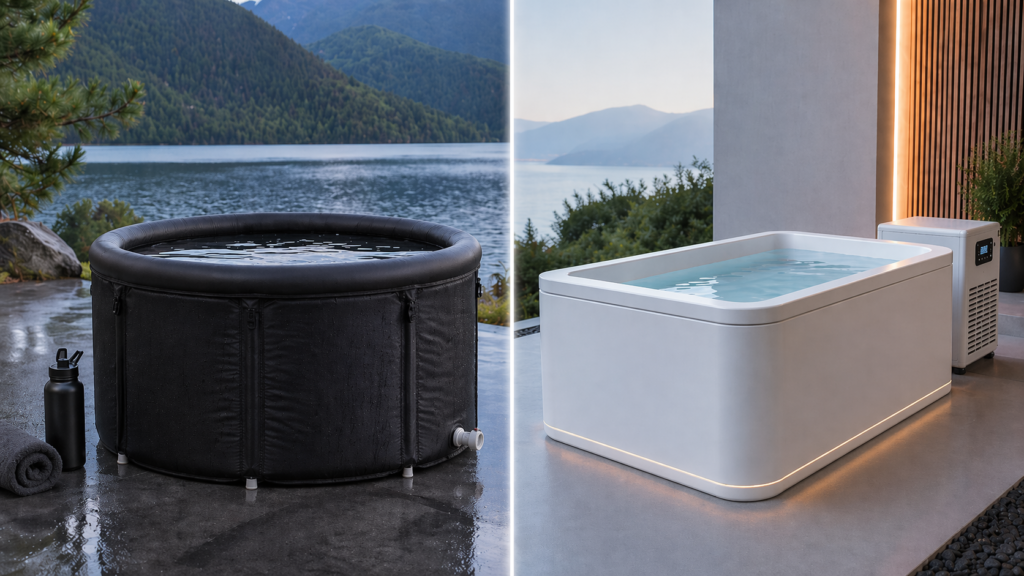
Portable / Inflatable Options
Best for:
- people testing the waters
- smaller spaces
- lower upfront budgets
Pros:
- lower cost
- easier to move
- more approachable entry point
Cons:
- usually less durable
- often less insulated
- may feel like a compromise long term
Hard-Shell / Permanent Setups
Best for:
- regular users
- dedicated recovery spaces
- people who want a cleaner, more permanent solution
Pros:
- usually better insulation
- stronger build quality
- better long-term experience
Cons:
- higher cost
- larger footprint
- less flexible if you move or change spaces
If you already know cold plunging is going to be part of your routine, a more purpose-built setup usually makes more sense than endlessly upgrading a starter option.
What the Science Suggests
The strongest case for cold plunging in a recovery context is still around muscle soreness and short-term recovery after intense exercise, especially when used intelligently rather than randomly.
What seems reasonably supported:
- cold exposure can help reduce perceived soreness
- it may help some people feel more recovered after hard training
- it can be a useful part of a broader recovery routine
What gets exaggerated:
- fat loss claims
- discipline mythology
- turning it into a universal cure-all
That’s why I prefer looking at cold plunges through a practical lens. If it helps you feel more recovered, more consistent, and more ready to train again, that matters. You don’t need it to become a personality trait.
Common Cold Plunge Buying Mistakes
Buying Based on Hype
A lot of people buy the tub that looks best in a reel instead of the one that fits their space, budget, and actual routine.
Ignoring Filtration
This is one of the easiest mistakes to make if you’re distracted by looks, branding, or temperature specs.
Going Too Cheap
There’s a difference between being budget-conscious and buying junk. A cheap setup that creates constant maintenance problems is not actually saving you money.
Going Too Premium Too Early
On the flip side, some people jump straight into a high-end plunge before they even know if they’ll use it consistently.
Forgetting the Setup Matters
Power, placement, indoor vs outdoor use, maintenance, and access all matter. A plunge that sounds great in theory can be a pain once it actually shows up.
If You’re Deciding Between These
Here’s the simplest way I’d think about it.
- If you want the best overall value for most people, start with Desert Plunge
- If you want the most affordable beginner entry point, start with Titan Wellness
- If you want the most polished premium setup, look hardest at Sun Home
- If you want a serious recovery-focused option built for repeat use, ReGen is the stronger fit
- If you want a smaller-footprint vertical option, Nordic Wave is the niche choice
My Take
Because I built my own plunge from a chest freezer, I’m probably more skeptical than average of flashy cold plunge marketing.
That’s a good thing.
It forces you to ask the right question: not “Which one sounds coolest?” but “Which one am I actually going to use?”
For most people, the best cold plunge tub for home recovery is the one that gives you:
- reliable cooling
- clean water
- manageable maintenance
- a setup you can use consistently
That’s it.
Not the one with the most dramatic ad copy. Not the one that makes you feel like you’re joining a secret society of highly optimized weirdos. Just the one that fits your life and helps you recover without creating more friction than it removes.
Related Recovery Guides
If you’re building a home recovery setup, these guides may also help:
- Cold Plunge vs Infrared Sauna: Which Is Better for Recovery?
- How to Choose an Infrared Sauna Without Wasting Money
- A Simple Weekly Recovery Routine That Actually Works
- Best At-Home Recovery Setup for Busy Schedules
- Best Portable Cold Plunge Tubs: Inflatable vs Hard Shell
FAQ
What is the best cold plunge tub for home recovery?
The best cold plunge tub depends on your budget, space, and how seriously you plan to use it. Most people should focus on cooling, filtration, insulation, and ease of maintenance before anything else.
Are expensive cold plunge tubs worth it?
They can be, but only if you plan to use them regularly. Premium tubs usually make the experience easier and cleaner, but they are overkill for someone who is still unsure whether cold plunging will become a routine.
Is a DIY cold plunge good enough?
It can be. I built my own chest-freezer plunge, and it taught me a lot about what matters. But DIY setups also come with trade-offs in convenience, maintenance, and long-term usability.
What temperature should a cold plunge be?
Most people do well starting in the 50–59°F range and gradually working colder if needed. You do not need extreme temperatures to get value from cold plunging.