Cold Plunging for Beginners: How I Figured Out If This Was Real or Just Another Wellness Trend
Why I Tried This
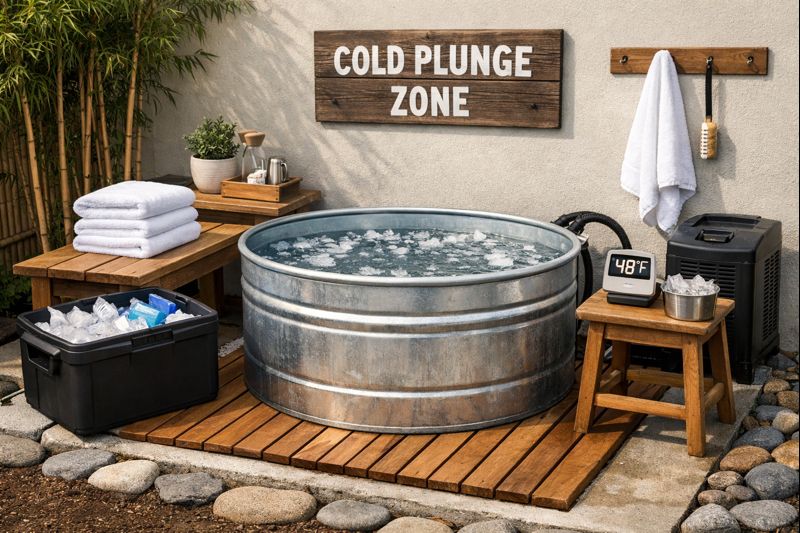
Cold plunging for beginners can feel intimidating at first.
I had the same question most people have:
Is cold plunging actually worth doing, or is it just another wellness trend that sounds good online?
My answer after actually doing it: it can be very real and very useful — but only if you approach it in a practical way.
This guide is for beginners who want to understand:
- whether cold plunging is worth trying
- how to start with the lowest barrier possible
- what actually matters in a beginner setup
- when it makes sense to upgrade
If you already know you want to buy a real setup, start here:
Best Cold Plunge Tubs for Home Recovery
What I Thought Would Happen
I assumed a few things going in:
- It would be miserable (accurate)
- It would feel good afterward (also accurate)
- It might help recovery… but maybe that was placebo
- I wasn’t convinced it would be sustainable long term
I also assumed I’d need expensive gear right out of the gate. Turns out, that part was wrong — at least at the beginning.
What Actually Happened
Starting With the Lowest Barrier Possible
When I started, I used a simple plunge very similar to this one from Bubplay.
This is the lowest barrier to entry in the entire cold plunge market, and that’s exactly why I recommend starting here if you’re on the fence.
But there are two non-negotiables with these tubs:
- A drain at the bottom
- A lid
No exceptions. If it doesn’t have both, don’t bother.
Keeping debris out is harder than you think, especially if this is outside. Leaves, bugs, pollen — all of it finds a way in. This setup is very much a “let’s see if this can even be part of my routine” experiment.
It’s minimalist. It’s not pretty. But it works.
Giving Up Control (On Purpose)
With this kind of setup, you give up control. You’re at the mercy of Mother Nature.
You can monitor temperature, but you can’t control it.
And honestly? That was fine early on. I don’t think Vikings were checking water temps before cutting holes in the ice. That said, temperature does matter — just not in the way most beginners think. (I go deeper on that in my temperature control blog.)
This stage taught me one important thing: consistency matters more than precision when you’re starting.
What This Taught Me
The biggest lesson wasn’t about cold exposure.
It was about lowering friction.
If something is too complicated, too expensive, or too annoying, you won’t stick with it — no matter how “good for you” it’s supposed to be. This setup helped me answer the real question:
Can I actually make this part of my life?
If You’re Buying Your First Setup
If you’re brand new, do not overcomplicate this.
Your first goal is not building the perfect cold plunge setup.
Your first goal is proving that you will actually use one.
Start by asking:
Do I want the cheapest way to test this?
If yes, start with a simple beginner tub and focus on consistency, cleanliness, and a lid.
Do I already know I want a cleaner, easier, more repeatable setup?
If yes, skip the bare-bones phase and look at a more complete cold plunge system.
Do I care more about convenience than novelty?
That matters more than people think. A setup you’ll actually use beats a setup that looks impressive online.
If you want the full breakdown of the best options, start here:
Best Cold Plunge Tubs for Home Recovery
If you’re deciding between a cheap starter tub and a more complete system, read:
DIY Cold Plunge vs Store-Bought Cold Plunge: Which Is Right for Recovery?
What the Science Seems to Explain (Without the Jargon)
Cold exposure appears to help with:
- Perceived soreness
- Short-term recovery between sessions
- Mental resilience and stress tolerance
Some of this is well-supported, some of it is still emerging, and some of it — like how good you feel afterward — is partly subjective. But here’s what’s clear:
More cold is not always better.
Longer, colder, more frequent plunges can increase overall stress load instead of helping recovery.
That nuance matters.
What Mattered Most (And What Didn’t)
What Mattered
- Consistency
- Ease of setup
- Water cleanliness
- A lid
- Not dreading the process before I even got in
What Didn’t
- Ultra-precise temperatures early on
- Fancy materials
- Looking cool
What I’d Do Differently
If I were starting today, knowing what I know now?
I’d still start simple — but I’d probably move sooner to a set-it-and-forget-it option once I knew I was committed.
When I built mine, options like Titan Wellness didn’t exist. (Note: Use code SMARTLAB for a 5% discount.)
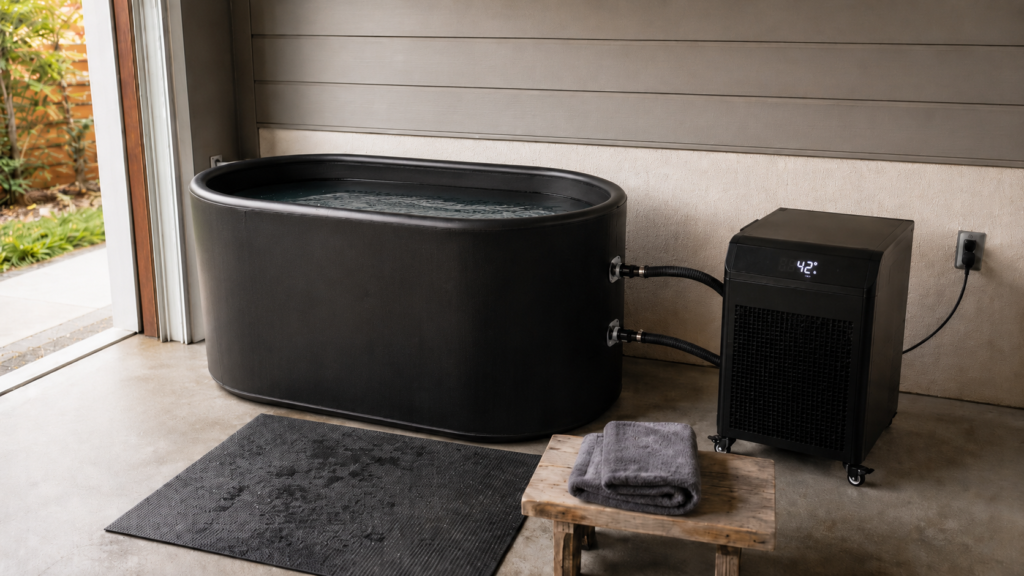
This setup checks a lot of boxes:
- Tub
- Cover
- Chiller
- Filter
- Two-year warranty
That convenience matters more than people admit.
It claims to cool down to 37°F — which is lower than most people need. I keep mine around 40°F, but that’s after doing this regularly for two years. Beginners don’t need to chase extreme temps.
If you are overthinking water temp, read this next: How Long Should You Cold Plunge at Each Temperature? (Longer Is NOT Better)
Another bonus: it’s fairly portable. I don’t plan on hauling my plunge around town, but it’s nice knowing it’s possible — maybe even for a longer stay somewhere.
A Note on Heavier-Duty Options
The Desert Plunge sits at a similar price point but leans more heavy-duty. It’s less portable, but offers more space — especially helpful if you’re tall.
One feature I really like here: the lockable lid.
If you’ve got young kids around, that’s not a “nice to have.” That’s a safety feature worth paying for.
Plunging is miserable enough. Anything that lowers friction — or increases safety — matters.
Who This Is / Isn’t For
This Is For:
- People serious about recovery
- People willing to be uncomfortable regularly
- People who care more about results than trends
This Isn’t For:
- Anyone looking for a quick fix
- People who won’t be consistent
- Anyone expecting this to feel easy or enjoyable going in
If You’re Considering This
Here’s my honest advice:
- Start cheap
- Prove consistency first
- Upgrade only when friction becomes the problem
- Prioritize a lid, drainage, and water cleanliness
- Don’t chase extreme temperatures early
- Hydrate well and listen to your body
Cold plunging isn’t magic. But for the right person, done consistently and responsibly, it can be a powerful tool.
This is how I started — skeptical, uncomfortable, and curious. If you’re still reading, you probably are too.
If you already know cold exposure interests you but you want the simplest explanation of what actually helps, read: Cold Plunge Benefits for Recovery: What Actually Helps vs What’s Overhyped
Next Step
If you are just curious, keep it simple and start cheap.
If you are serious about building a home setup you will actually use, start here:
Best Cold Plunge Tubs for Home Recovery
If you are still deciding whether to build one or buy one, read:
DIY Cold Plunge vs Store-Bought Cold Plunge: Which Is Right for Recovery?