How Long Should You Cold Plunge at Each Temperature? (Longer Is NOT Better)
How long should you cold plunge? The short answer is this: colder water needs less time, not more.
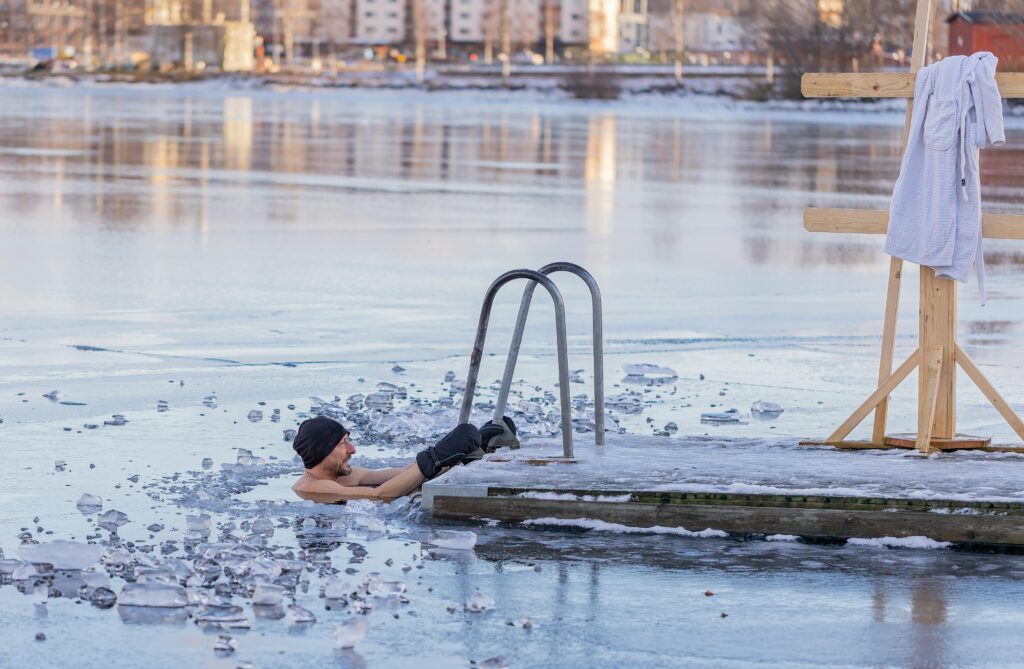
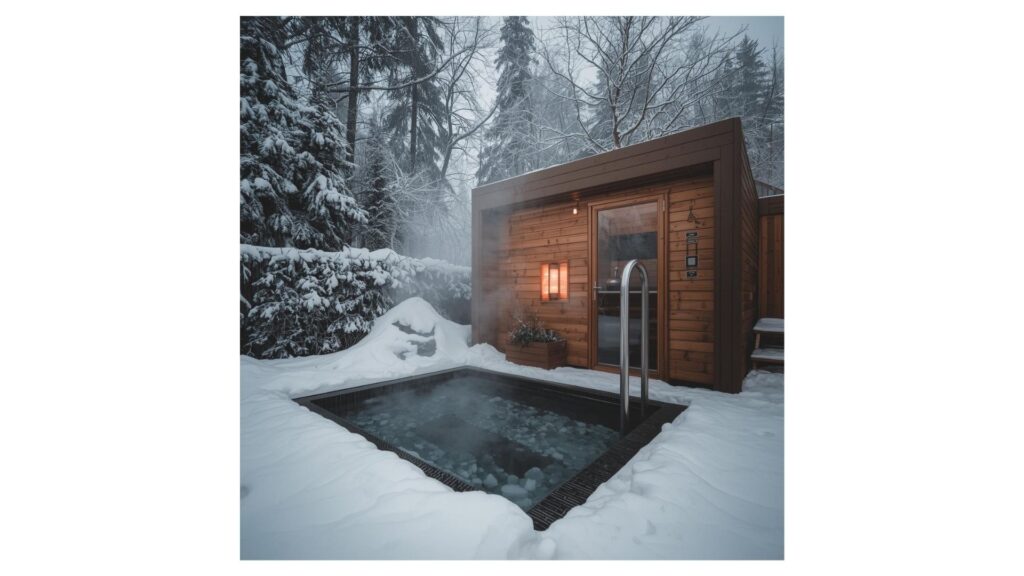
When I started cold plunging, I had zero control over the temperature. It was an outdoor setup, fully at the mercy of whatever the elements decided to serve up that day. The only lever I had was time — how long I’d sit there before my brain started screaming at me to get out.
For more on cold plunge temperatures, read my guide: Cold Plunge Temperatures: What’s Safe, Effective, and Sustainable.
That was actually fine as a starting point. But once I upgraded to a setup where I could control the temp, suddenly I had two variables to manage: time and temperature. And I quickly realized most people get this relationship completely backwards.
They think longer is better. It’s not.
What I Thought Would Happen
I’ll be honest — early on, I thought toughing it out longer was the whole point. Like, if two minutes was good, five minutes must be great, right? That’s how most people think about hard things. More suffering equals more results.
Cold plunging doesn’t work that way.
What Actually Happened
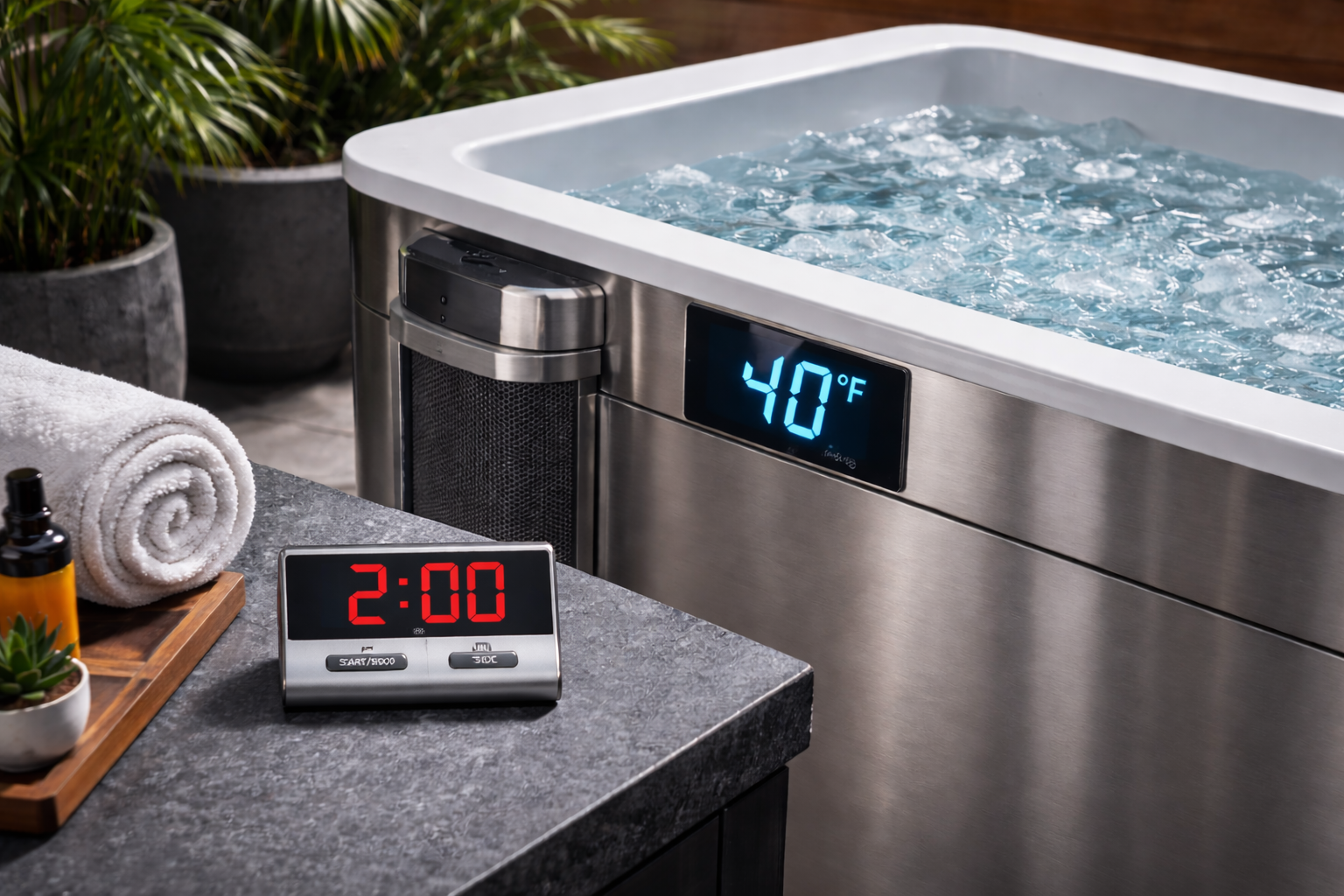
Once I could control the temperature, I dialed in what actually works for me: 40–42°F (4–5°C), 2–3 minutes, done. Get in, suffer appropriately, get out.
Here’s what I noticed: colder water doesn’t require more time — it requires less. The colder the water, the faster your body responds. Sitting in 40-degree water for 8 minutes isn’t tougher than sitting in it for 3 minutes — it’s just dumb. There’s a point where the physiological benefit plateaus and you’re just accumulating risk.
And here’s something people don’t tell you until you’ve been doing this a while: after a couple of years, you can feeltemperature differences of just a few degrees. My water at 44°F feels meaningfully different than 40°F. That 44°F version? I can tell it’s warmer, and I do not want to sit in there longer to compensate. I’d rather keep it colder and keep the session short.
Once I could control the temperature, I dialed in what actually works for me: 40–42°F, 2–3 minutes, done. But if you’re new to this, don’t start there — my cold plunging for beginners guide is the better place to start.
My rule of thumb: it should be miserable enough that you don’t want to be in there — but not so cold that you’re shivering uncontrollably and turning Papa Smurf blue.
Once I figured out how long I should cold plunge, the whole process got much simpler and a lot safer.
What This Taught Me
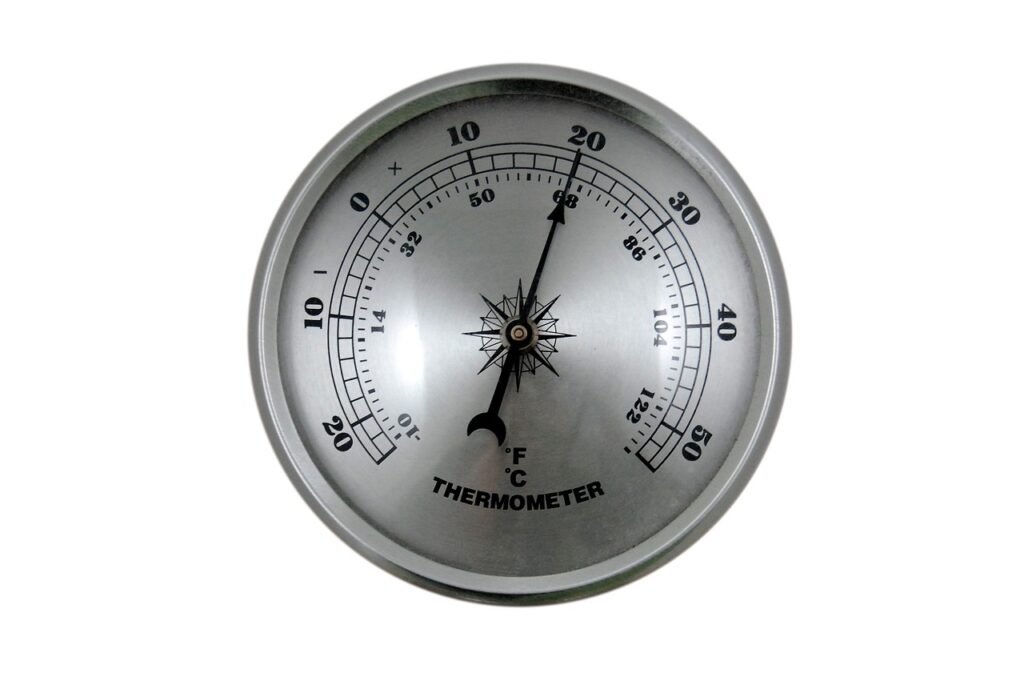
Buy a cheap thermometer first. Seriously. If you’re plunging without one, you have no idea what you’re actually doing to your body. That one small purchase takes the guesswork out of everything.
Once you know your temperature, time becomes easy. The colder your water, the shorter your session needs to be. That’s the whole framework.
What the Science Seems to Explain
Research (including work cited by Andrew Huberman from Susanna Søberg’s studies) points to roughly 11 minutes per week of total cold exposure as the threshold where you start seeing real benefits — things like improved brown fat activation, dopamine release, and reduced inflammation. That’s spread across multiple sessions, not in one sitting.
So if you’re doing 3–4 sessions a week at 2–3 minutes each, you’re hitting that target comfortably. You don’t need to be a hero.
Wim Hof takes a slightly different approach — prioritizing daily consistency and breathwork integration over strict minute counts. Both philosophies agree on one thing: gradual exposure and listening to your body matters more than white-knuckling through extreme sessions.
What’s well-supported: 11 minutes/week at uncomfortably cold but safe temps produces measurable physiological changes. What’s emerging: whether more time provides proportionally more benefit — evidence is mixed, and recovery response varies a lot between people. What’s anecdotal: my specific 40–42°F, 2–3 minute sweet spot. That’s what works for me. Your body may calibrate differently.
So if you’re doing 3–4 sessions a week at 2–3 minutes each, you’re hitting that target comfortably. If you want to think more in terms of weekly frequency, I break that down in how often should you cold plunge for recovery.
One important note: if you’re shivering uncontrollably, your lips are turning blue, or you can’t think straight — get out immediately. That’s your body signaling something is wrong, not signaling you’re tough.
What Mattered Most (And What Didn’t)
What mattered: knowing my water temperature, keeping sessions consistent, and having a target time before I got in — not deciding how long to stay while I was already freezing.
What didn’t matter: staying in longer to prove something. Duration is not a flex.
What I’d Do Differently
I would have bought a thermometer on day one. That’s the biggest mistake I made early on — plunging blind with no idea what temperature I was actually dealing with. Once you know the temp, everything else follows logically.
That’s the biggest mistake I made early on — plunging blind with no idea what temperature I was actually dealing with. If you’re still deciding what kind of setup makes sense, read DIY cold plunge vs store bought cold plunge.
I’d also tell my earlier self to stop trying to extend sessions. Three solid minutes at 40°F beats ten sloppy minutes at 55°F every time.
Who This Is and Isn’t For
This approach — short, cold, consistent — works well if you’re doing this for recovery, mental clarity, and resilience building. If you’re brand new to cold plunging, don’t start at 40°F. Start warmer, keep it shorter, and build from there.
If you’re brand new to cold plunging, don’t start at 40°F. Start warmer, keep it shorter, and build from there. And if you’re still deciding whether the whole thing is worth doing, start with cold plunge benefits for recovery.
If you have cardiovascular conditions, cold sensitivity, or Raynaud’s disease, talk to your doctor before you start. Cold plunging is a stress on your system — a productive one when done right, but not something to jump into without awareness of your baseline health.
If You’re Considering This
Start with a thermometer. Without it, you’re flying blind.
Use the chart below as your starting point — it gives you a realistic range based on experience level and water temperature. Then adjust based on how your body actually responds. The goal isn’t to max out every session. The goal is to be uncomfortable enough to trigger adaptation, consistent enough to build tolerance, and smart enough to know when to get out.
If you’re trying to build a better setup around this, I also broke down the best cold plunge tubs for home recovery.
Cold enough to suck. Not so cold you turn into a Smurf. That’s the whole game.
My sweet spot
40–42°F
My session length
2–3 min
Weekly target
11+ min
Sessions/week
3–5x
| Temperature | Beginner | Intermediate | Advanced |
|---|---|---|---|
| 59°F / 15°C | 2–4 min | 3–5 min | 5–10 min |
| 50°F / 10°C | 1–2 min | 2–3 min | 3–10 min |
| 40–49°F / 4–9°C | Not recommended | 1–4 min | 2–5 min |
| Below 40°F / 4°C | Avoid | 30–90 sec | 1–2 min max |
Exit immediately if shivering uncontrollably, lips turn blue, or you feel disoriented. No session is worth pushing through those signals.