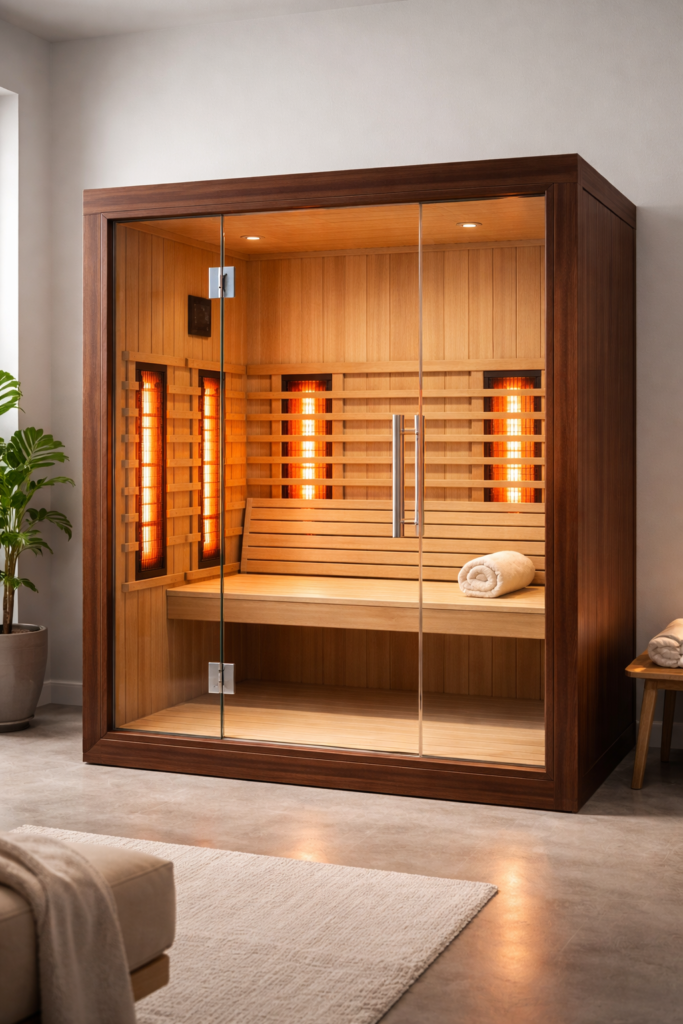

The Smart Infrared Sauna Routine for Muscle Recovery
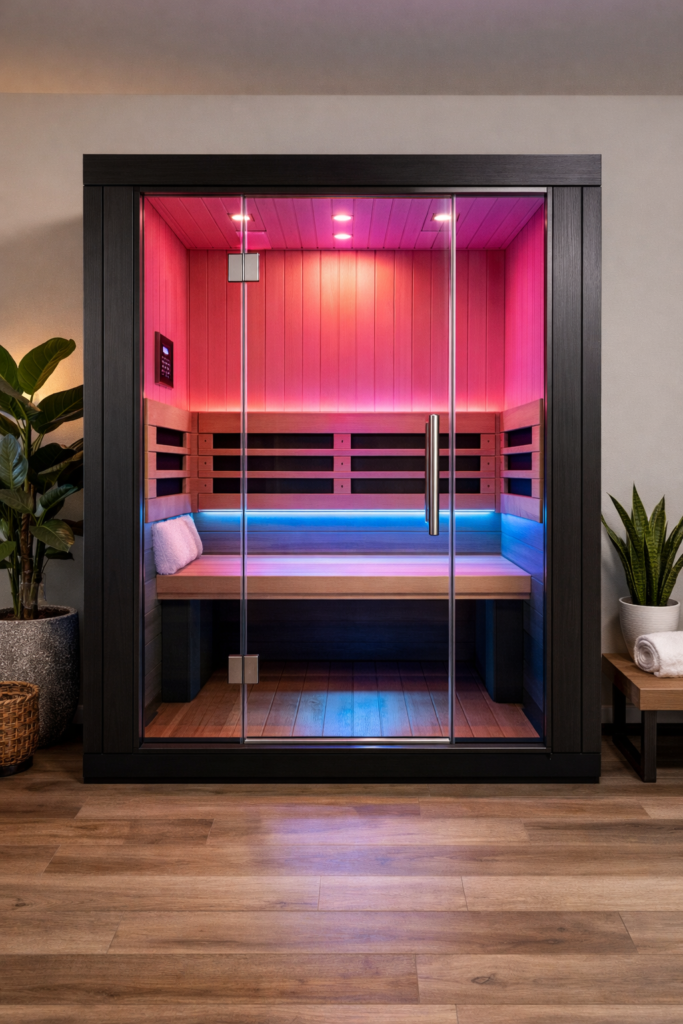
An infrared sauna routine for muscle recovery should be simple, consistent, and safe—not something you overdo.
If you’re using an infrared sauna to recover from training, your goal is simple: feel better, function better, and reduce the wear-and-tear from the gym so you can actually enjoy your week.
Here’s the part most people gloss over: saunas can be overused. That includes too many days per week and too many minutes per session.
I’ve personally pushed it too far and dealt with dehydration. It’s not “a little thirsty.” It’s miserable—and it can be dangerous.
Dehydration isn’t just fluid loss. You’re also losing electrolytes through sweat, and that matters for performance, recovery, and how you feel the rest of the day. Hydration strategy needs to match your sauna use, not just your workouts. If you regularly sweat hard (training + sauna), having a simple electrolyte option on hand makes it easier to stay consistent: electrolytes.
If you’re newer to infrared sauna overall, start with the basics first: Infrared Sauna for Recovery: A Beginner’s Guide.
My Recovery-First Infrared Sauna Routine (What I Actually Do)
My schedule is built around recovery, not “more is better.”
- Immediately after workouts (I train 3 days/week)
- Usually one session on the weekend
- Not every day
- Never longer than 30 minutes
That’s it.
The Best Infrared Sauna Schedule for Muscle Recovery (Simple Version)
If your priority is muscle recovery, start here:
- 3 sessions per week
- 15–25 minutes per session
- Post-workout timing works great (my preference)
Progress to this if you tolerate it well:
- 3–4 sessions per week
- 20–30 minutes per session (cap it here for recovery-focused use)
If you’re new to sauna, you’ll usually do better starting with shorter sessions and building up. This infrared sauna routine for muscle recovery works best when you cap sessions at 30 minutes and prioritize hydration.
Sauna Overuse Signs: When to Back Off
If you feel any of the following, you’re not “tough,” you’re under-recovered or under-hydrated:
- Headache, dizziness, nausea
- Unusual fatigue
- Muscle cramping
- Heart racing more than normal
- Trouble sleeping after sauna
- Dark urine or low urine output
If symptoms are intense or persistent, stop and get medical guidance.
Hydration + Electrolytes: The Non-Negotiable
Sweating more means replacing more. You’re trying to recover, not dig a deeper hole.
A practical approach:
- Hydrate before sauna
- Rehydrate after sauna
- Use electrolytes if you’re sweating heavily, training hard, or sauna-ing regularly
This doesn’t have to be complicated. The point is to replace what you lose so the sauna helps recovery instead of becoming another stressor. If you want to make this easy, keep both of these within reach of your sauna setup: electrolytes and a water bottle you actually use.
Adjust Sauna Timing Based on Your Goal
If your goal is muscle recovery:
- Post-workout sauna is the easiest routine to stick to
- It pairs training stress and heat stress in a controlled way, then you recover
If your goal is sleep:
- Use sauna in the evening, but not right before bed
- Give yourself a buffer to cool down and fully rehydrate
Heat can be relaxing. Dehydration late at night is a great way to sleep worse.
If you’re still deciding whether infrared is the right fit versus traditional heat, read: Infrared vs Traditional Sauna for Recovery.
Sample Weekly Infrared Sauna Routines
Plan A: The “Most People Should Start Here”
- Mon: Train + sauna 15–20 min
- Wed: Train + sauna 15–25 min
- Fri: Train + sauna 15–25 min
- Weekend: Optional 15–25 min only if you feel good
Plan B: Training Hard (Still Recovery-First)
- 3–4 sessions/week
- 20–30 minutes max
- If performance dips or you feel run-down, drop back to 3 sessions
Plan C: Beginner / Returning After a Break
- 2 sessions/week
- 10–15 minutes
- Add time first, then add frequency
What About Sauna Every Day?
For recovery, daily sauna is easy to overdo unless your hydration, electrolytes, sleep, and overall training load are all dialed in.
If you want a simple rule: if sauna starts making you feel worse outside the sauna, you’re doing too much.
Simple Setup Items That Make Sauna Recovery Easier
If you want to keep sauna a recovery tool (not a dehydration event), a few basics make a big difference:
- Electrolytes so you’re not guessing after heavy sweat sessions: electrolytes.
- A water bottle that stays with your sauna routine: water bottle.
- Towels you don’t mind sweating through (and enough of them): towels.
- A towel rack so your space stays clean and you’re not draping towels everywhere: towel rack.
If you’re shopping for an infrared sauna (or upgrading), this will save you time: Best At-Home Infrared Saunas for Recovery: A No-Guesswork Buyer’s Guide.
Bottom Line
For muscle recovery, the sweet spot is usually:
- 3–4 sessions per week
- 15–30 minutes per session
- Stop chasing “more”
- Hydrate and replace electrolytes like it matters—because it does
My personal routine (3x/week post-workout + 1 weekend session, never over 30 minutes) is intentionally designed to keep sauna as recovery, not another stressor.
Quick Disclaimer
This is general education, not medical advice. If you have cardiovascular issues, blood pressure problems, are on medications that affect hydration, or you’ve had heat illness before, talk to a clinician before increasing sauna frequency or duration.