DIY Cold Plunge vs Store-Bought Cold Plunge: Which Is Right for Your Recovery?
If you’re comparing DIY cold plunge vs store bought systems, the differences go far beyond price.
Cold plunges aren’t cheap. At least, they weren’t when I started. If you’re deciding between a DIY cold plunge vs store bought system, the differences go far beyond price. Two years ago, the “affordable” end still felt expensive, and the high end felt like buying a used car… that fills with cold water.
Since then, the market has exploded. You can now spend $120 to $10,000+, and—unsurprisingly—you get what you pay for. But what you’re paying for isn’t always obvious.
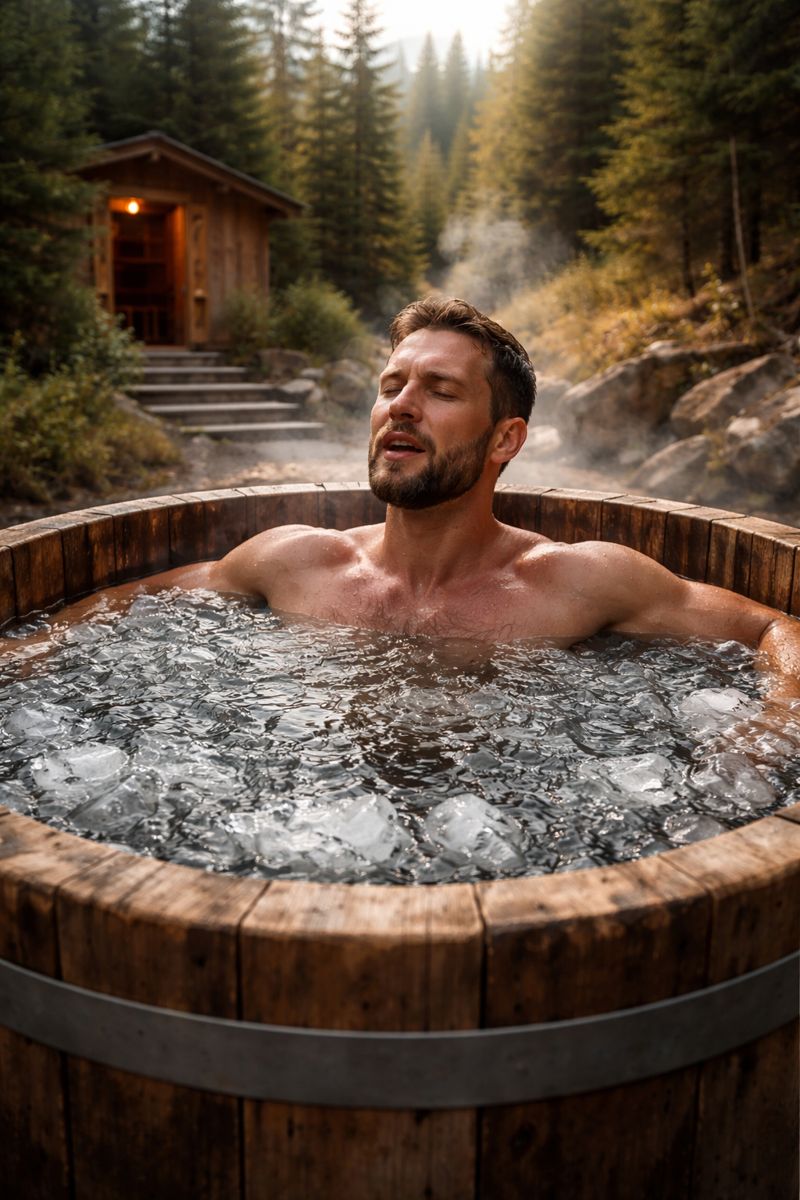
I started where many people do: cheap, outside, zero control, cracking ice in winter like a Viking with a questionable life plan. It was invigorating, uncomfortable, bonding (my son was in it with me), and honestly kind of awesome.
Then spring came.
The water warmed.
The water smelled.
And suddenly “this builds character” stopped feeling sustainable.
That’s where this comparison actually matters.
1. Who This Comparison Is For (And Who It Isn’t)
This is for you if:
- You’re recovery-curious but don’t want to waste money
- You’re deciding between DIY vs buying a unit
- You care about temperature control, sanitation, and practicality
- You’re okay with trade-offs (because every option has them)
This is not for you if:
- You want “set it and forget it” and have zero tolerance for maintenance and a tight budget
- You’re looking for extreme cold exposure without understanding recovery basics
- You think more expensive automatically means better results (it doesn’t)
2. How I Evaluated These Options
I didn’t evaluate these like a salesperson. I evaluated them like someone who actually has to live with the thing.
What mattered to me:
- Temperature consistency (not just “cold enough once”)
- Sanitation (because swamp water isn’t recovery)
- Daily practicality (setup, maintenance, annoyance factor)
- Cost over time, not just upfront price
- Space + electrical reality (this matters more than people admit)
What I didn’t care about:
- App animations
- Branding buzzwords
- “Military-grade” anything
3. Quick Comparison Table
| Option | Best For | Key Strength | Main Trade-Off | Price Range |
|---|---|---|---|---|
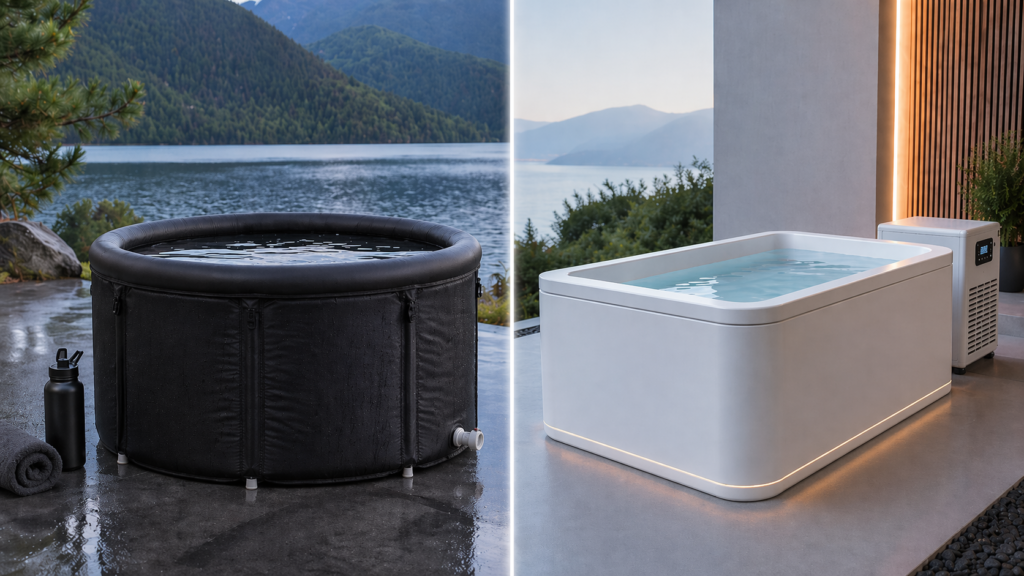
| Ice bath tub + ice | First-timers | Cheapest entry point | No temp control, high effort | $120–$300 |
| DIY chest freezer | Budget builders | Precise temp, low long-term cost | Setup + sanitation learning curve | ~$400–$800 |
| Budget store-bought plunge | Convenience seekers | Easier than DIY | Weaker chillers, ongoing issues | $1,000–$3,000 |
| Premium store-bought plunge | Hands-off users | Temp + sanitation handled | Expensive, power requirements | $4,000–$10,000+ |
4. Best Cold Plunge for Specific Situations
Best for Absolute Beginners
If you’re brand new to cold exposure and still learning the basics, start with my complete guide to cold plunging for beginners before deciding between DIY and store-bought setups.
Ice tub or basic plunge barrel
Why it fits:
It lets you test whether cold exposure is even something you’ll stick with.
Who should skip it:
Anyone who already knows they want consistency or year-round use.
Reality check:
Ice costs add up. Effort fatigue is real. This is a trial, not a long-term solution.
Best Budget-Conscious, Long-Term Option
DIY Chest Freezer Cold Plunge
Why it fits:
This is where I landed. Second-hand freezer, weekend build, about $500 all-in. Two years later, I’m still plunging. Temperature is controlled. Water stays clean if you respect sanitation.
Who should skip it:
- People who don’t want to think about maintenance at all
- Anyone uncomfortable with basic DIY or electrical safety
Honest truth:
You trade money for responsibility. If you’re willing to learn sanitation, this punches way above its price.
Best for Convenience (Without Going Premium)
Mid-range store-bought plunges
Why they fit:
They’re easier than DIY and cleaner than ice tubs.
Why I’m cautious:
Many struggle with cooling power, filtration, or durability. Some are fine. Some aren’t. Marketing tends to oversell.
Who should skip:
Anyone expecting premium performance at a mid-range price.
Best “I Don’t Want to Think About This” Option
Premium store-bought cold plunges
Why they fit:
Temperature, sanitation, filtration—handled. You think about space and electrical capacity, not water chemistry.
Who should skip:
Anyone on a budget or anyone who enjoys tinkering.
Blunt take:
They’re great if you can afford them. They don’t magically make cold exposure more effective.
5. What Actually Matters (And What Doesn’t)
Matters:
- Consistent water temperature
- Clean water
- Ease of sticking with it
Doesn’t matter:
- Bluetooth
- Fancy lighting
- Aggressive “biohacking” language
Cold exposure works because of stress + recovery, not branding.
6. What the Science Suggests (Brief & Simple)
- Cold exposure can reduce perceived soreness and improve recovery tolerance
- Benefits appear strongest when used after intense training or on rest days
- More cold ≠ better results
- Sanitation matters for health (obviously)
Confidence level:
Well-supported for recovery perception. Mixed for performance gains. Emerging for long-term adaptations.
7. Common Mistakes People Make
- Buying the cheapest option and expecting premium results
- Ignoring sanitation (this always backfires)
- Overdoing duration instead of controlling temperature
- Forgetting electrical and space requirements
8. If You’re Deciding Between These
- If budget is tight but effort isn’t → DIY chest freezer
- If convenience matters most → Store-bought
- If you’re unsure you’ll stick with it → Ice tub first
- If you want zero friction and have the budget → Premium plunge
Final Thought
Cold plunging doesn’t need to be expensive to be effective. It needs to be sustainable.
I started with ice and bravado.
I stayed with control and consistency.
If budget is a concern, you can absolutely build your own.
If budget isn’t, store-bought removes friction.
Neither makes you tougher.
Sticking with it does.
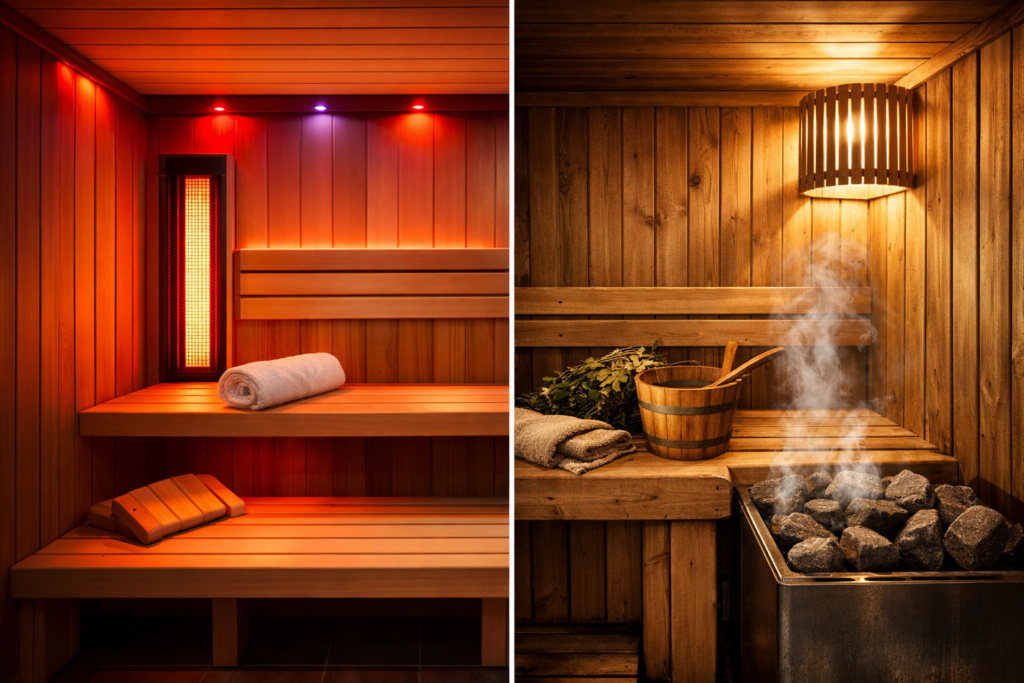
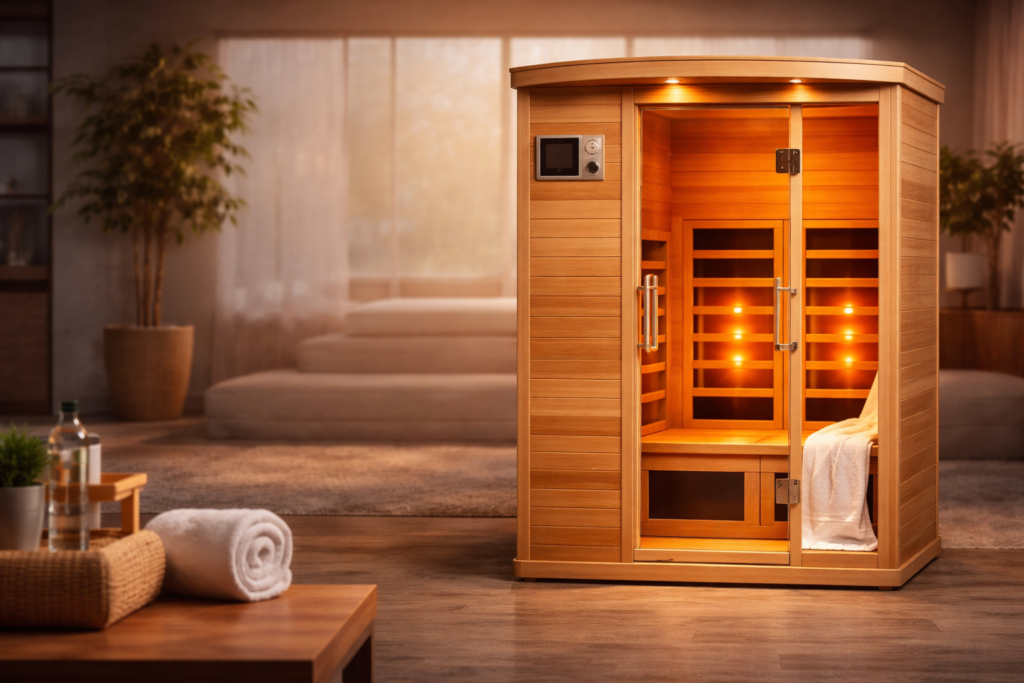
Cold plunges are often used on their own, but many people combine them with the heat exposure as part of a broader scheme. This hot-cold cycling approach, commonly known as contrast therapy, is especially popular among athletes and people training hard multiple days a week.