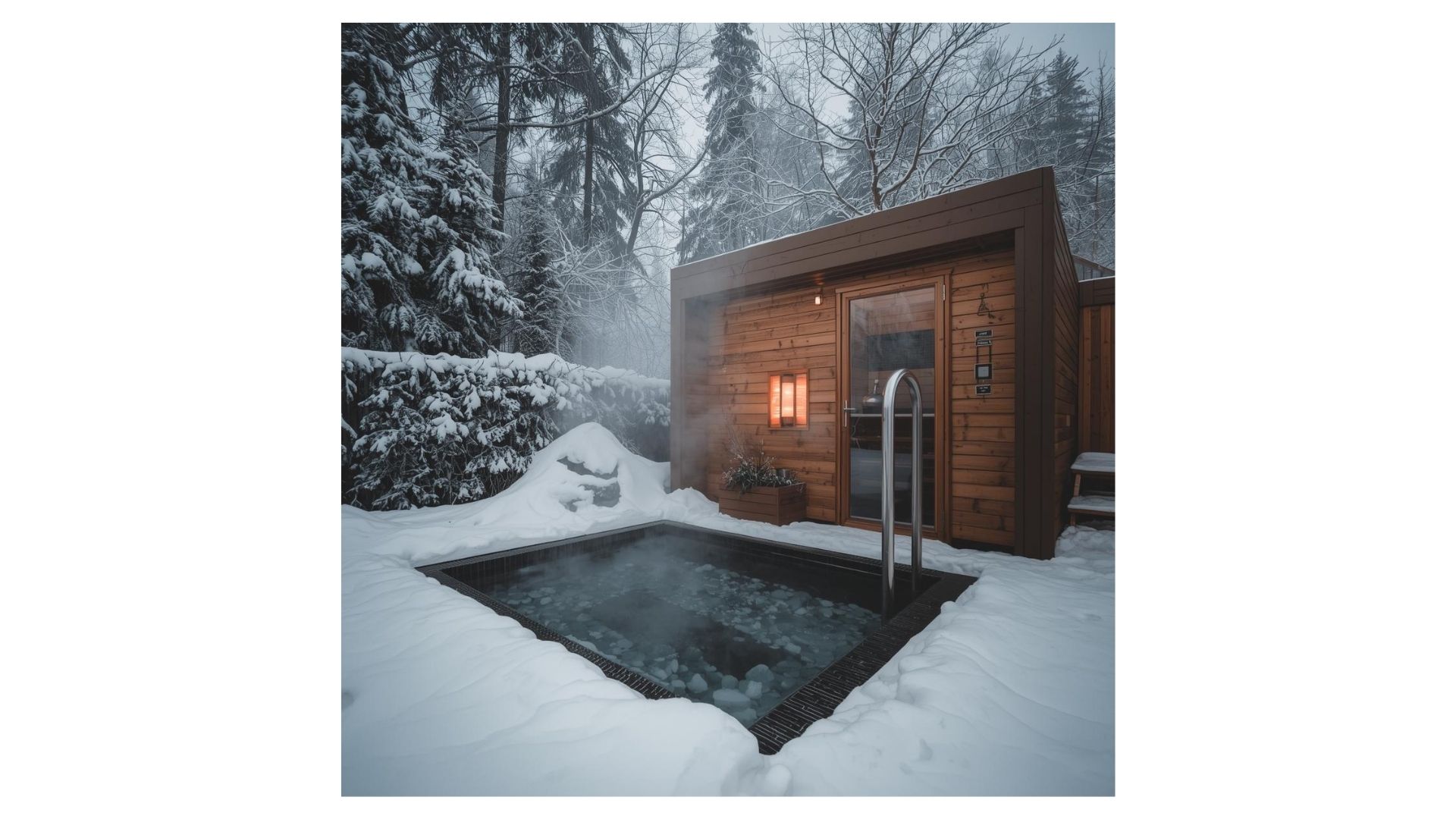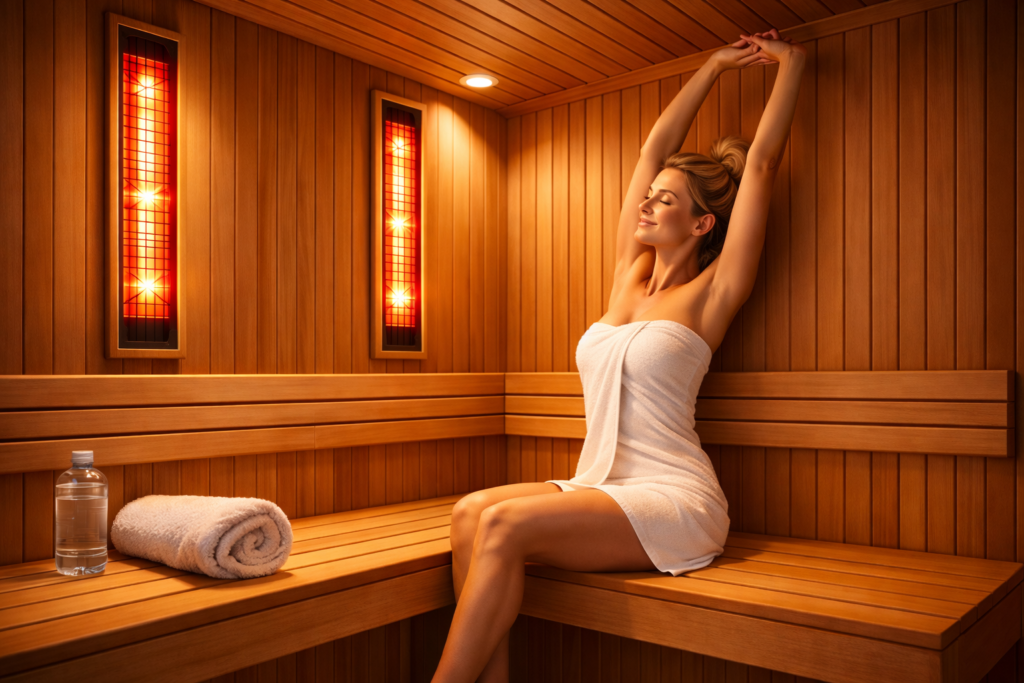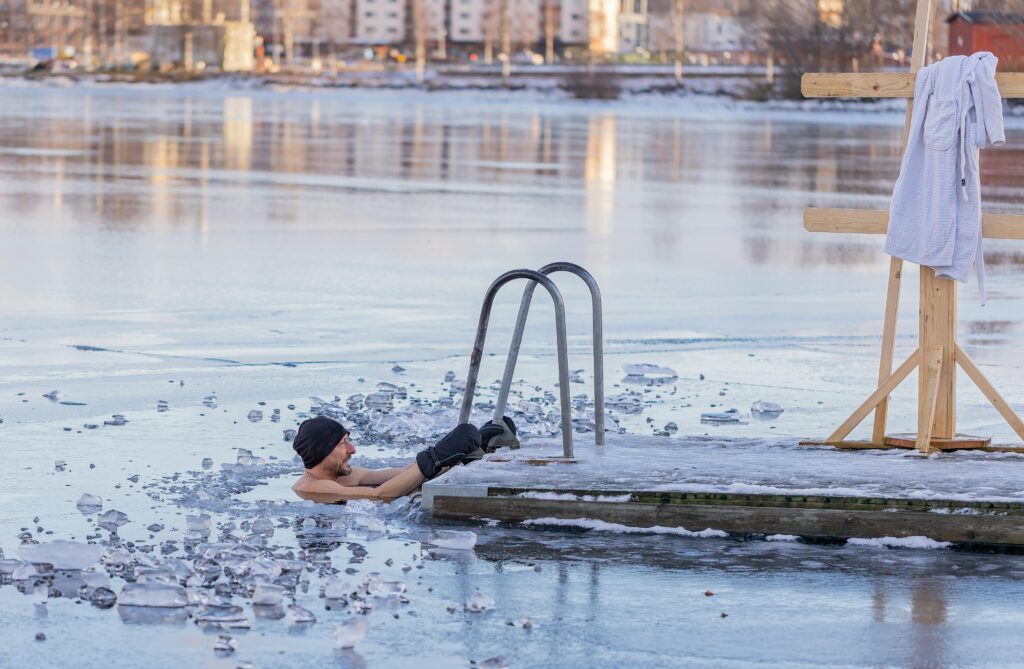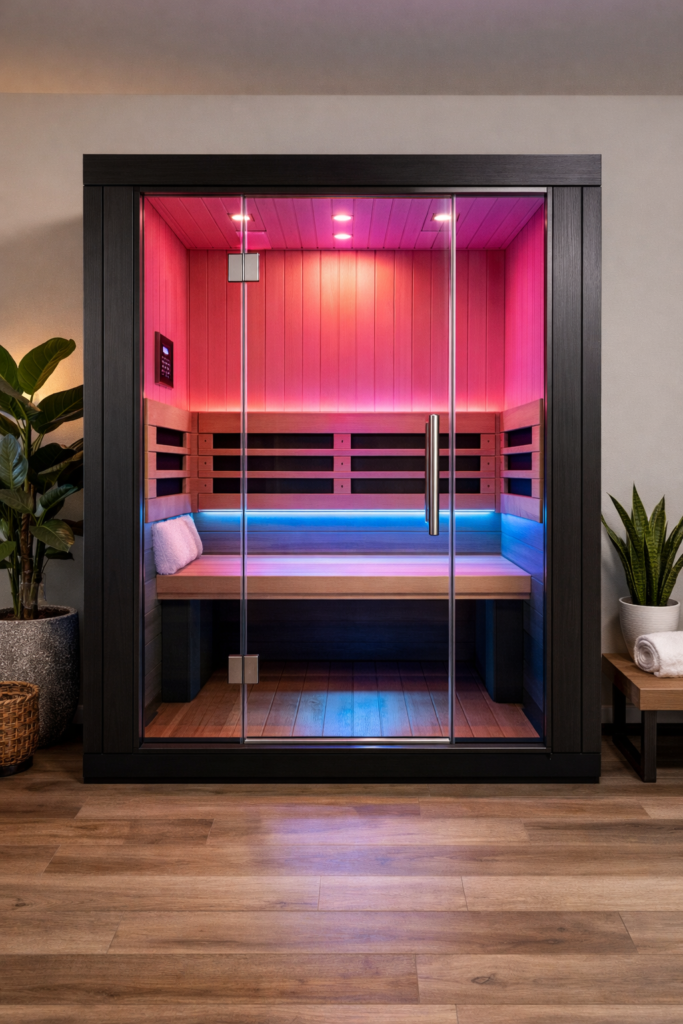
Contrast Therapy: What the Science Says (and What I’ve Personally Learned)
Contrast therapy makes the most sense when you want both in the same session.
Used intelligently, it can be a strong option for post-workout soreness, leg-day recovery, circulation support, and recovery-focused weekends.
But it takes more time, more setup, and more intention than using cold or sauna alone.
This post breaks down:
- where contrast therapy actually fits
- what the science supports
- when it makes sense for soreness and recovery
- when it is overkill
- how I personally use it without turning it into a daily obsession
Who this is for
This guide is for you if:
- you already use sauna, cold plunge, or both
- you want a fuller recovery routine instead of a one-tool answer
- you deal with hard training, recurring soreness, or leg-day hangover
- you want to understand when contrast therapy makes sense and when it doesn’t
This is not for you if:
- you are looking for the easiest daily recovery habit
- you do not have the time for a longer recovery session
- you are chasing extremes instead of consistency
- you have not yet figured out whether cold alone or sauna alone fits you
My Personal Experience With Contrast Therapy
Before trying it, I had read the usual explanation:
cold constricts blood vessels
heat dilates them
alternating between the two creates a kind of pumping effect
That sounds good in theory.
What mattered more to me in practice was simpler:
contrast therapy felt like a full recovery session instead of just a single recovery tool.
I personally start with the sauna and finish with the cold plunge.
That order works best for me because I like using heat to loosen up first, then using cold to finish with a calmer, sharper, more reset feeling.
I’m not saying it’s universally best. I’m saying it’s the order I actually use and keep coming back to.
When I Use Contrast Therapy
I do not use contrast therapy randomly.
I reserve it for:
- particularly hard workouts
- brutal leg-day soreness
- recovery-focused weekends
- times when I want both a physical reset and a mental downshift
I treat it like a full recovery routine, not a daily habit.
That matters.
Contrast therapy is powerful partly because it is more intentional than just hopping in the sauna or doing a quick plunge.
I reserve it for:
- Days with particularly hard workouts
- Recovery-focused weekends when I’m not training at all
I look at it as a recovery investment, not a daily habit.
Let’s Be Honest: It Takes Time
Contrast therapy is not quick.
That is one reason it works better as a strategic tool than a default habit.
A realistic round for me looks something like:
- sauna warm-up time
- a real sauna session
- quick rinse or shower
- cold plunge finish
That can easily turn into close to an hour once setup and transitions are included.
That is why I usually think of contrast therapy as a fuller recovery session, not a busy weekday shortcut.
If you want the most time-efficient option, cold plunge or sauna alone usually makes more sense.
Contrast therapy for DOMS and leg-day recovery
This is one of the clearest places contrast therapy makes sense.
If your legs are wrecked after a hard lower-body session, contrast therapy can be useful because it combines:
- heat for muscle relaxation
- cold for short-term soreness relief
- a longer recovery session that forces you to slow down
That does not mean it builds muscle better.
It means it can help you feel more recovered and more functional in the next 24–48 hours.
For me, this is one of the strongest real-world cases for using contrast therapy at all.
Not every day. Not automatically. But strategically.
Why Recovery Matters More as You Age
I work hard.
I train hard.
I still want to feel good doing both.
That is the real reason recovery matters more as you get older.
In your 20s, you can sometimes get away with poor recovery and still bounce back.
In your 40s, poor recovery starts compounding.
That was a big part of what pushed me to build Smart Recovery Lab in the first place.
But the truth is — recovery in your 40s is not the same as recovery in your 20s.
For a long time, I was getting frustrated that:
- Every leg workout left me brutally sore
- It felt like I was constantly “starting over”
- Even consistent training didn’t seem to reduce soreness
That frustration is a big part of why Smart Recovery Lab exists.
My mission is to feel better — physically and mentally — as I age, not just push harder and hope for the best.
Since consistently using sauna, cold plunge, and occasional contrast therapy:
- My leg soreness has dropped significantly
- Recovery between sessions is noticeably faster
- Training feels sustainable again
I don’t do contrast therapy all the time.
That would be too much stress.
Most days, it’s either sauna or cold, not both.
But either way — it helps.
What Does the Science Say?
The best case for contrast therapy is recovery quality, soreness management, and circulation support — not magic.
Let’s separate sensation from evidence.
Blood Flow & Circulation
Research shows:
- Cold exposure causes vasoconstriction (blood vessels narrow)
- Heat exposure causes vasodilation (blood vessels widen)
Alternating between the two creates a pumping effect that may:
- Improve circulation
- Support nutrient delivery
- Assist with metabolic waste removal
This mechanism helps explain why muscles often feel looser and less sore afterward.
Muscle Soreness & Recovery
Studies on contrast therapy suggest it may:
- Reduce perceived muscle soreness
- Improve subjective recovery
- Support faster return to training
However, like cold plunging alone, contrast therapy appears to be better for recovery and soreness management than for muscle growth itself.
That’s not a downside — it just means it should be used strategically, not automatically.
Like cold plunge alone, contrast therapy appears to make the most sense for soreness management and recovery quality, not as a shortcut for muscle growth itself.
Nervous System Effects
Contrast therapy introduces controlled stress, but also teaches the nervous system to:
- Transition between stimulation and relaxation
- Tolerate discomfort
- Return to baseline more efficiently
Many people report feeling calm, clear-headed, and grounded afterward — which aligns with what I’ve personally experienced.
Why I Finish With Cold
Ending with cold:
- Leaves me feeling mentally calm
- Reduces lingering inflammation
- Makes sleep noticeably better later that night
Some protocols suggest ending warm for relaxation, others cold for inflammation control.
This is one area where personal response matters.
I’ll continue experimenting, but for now, finishing cold works for me.
Hydration Is Non-Negotiable
Any time heat is involved, hydration matters.
Sauna use increases sweat loss quickly — even when you don’t realize it.
If you’re using contrast therapy:
- Hydrate before starting
- Replace fluids afterward
- Consider electrolytes for longer or multi-round sessions
Poor hydration turns recovery into added stress.
Should You Use Contrast Therapy?
Contrast therapy is worth considering if:
- you train hard and deal with recurring soreness
- you already know you like both sauna and cold plunge
- you want a fuller recovery session, not just a quick tool
- you can intentionally make time for it
It is probably not the best fit if:
- you want the simplest daily recovery habit
- your schedule is already tight
- you are still deciding between cold plunge and sauna in general
- you are chasing intensity instead of consistency
For most people, contrast therapy should sit behind cold plunge alone and sauna alone in the recovery decision tree.
It is not the entry point.
It is the “I already know both tools help me, now I want the full routine” option.
My Takeaway So Far
Contrast therapy is not magic.
But when used intentionally, it can be one of the most complete recovery routines you can do at home.
My take:
- cold plunge is better for immediate reset
- infrared sauna is better for consistency and muscle relaxation
- contrast therapy is better when you want the full recovery routine
That is the cleanest way to think about it.
If you want the faster, simpler tool, use one.
If you want the fuller recovery session, use both.
And if you are still trying to decide which side of that equation matters more to you, start here:
Cold Plunge vs Infrared Sauna: Which Is Better for Recovery?
If contrast therapy already sounds like the direction you want to go, these guides will help you build the setup:
- Best Cold Plunge Tubs for Home Recovery
- Best At-Home Infrared Saunas for Recovery
- The Best At-Home Recovery Setup for Busy Schedules