Recovery, Getting Older, Getting Smarter
My Early Years in Fitness
I’ve always been interested in personal fitness — at first, mostly because it made me a better athlete. I wasn’t a big guy, so I needed to be as strong as possible to compete at my best.
When I was younger, recovery was easy. I could push hard in workouts and bounce back without worry. Late nights out? No problem. I didn’t have to pay much attention to nutrition, and stretching was only something I did if it was part of a team practice. My body could handle it. The future was a distant concept — I worked out, recovered naturally, and moved on to the next challenge.
Fitness in My 30s
As I moved through my 30s, working out remained a key part of my life. I enjoyed how I looked and felt, and I began to notice fitness wasn’t just physical — it was mental too. Skipping a workout for a few days made me anxious. Motivation and discipline mattered more than ever. Recovery was still manageable, but my awareness of my body was growing.
Fitness & Recovery in My 40s
Now, well into my 40s, things have changed. Soreness lingers, motivation isn’t automatic, and recovery takes more intentional effort. My workouts have evolved: functional strength, looking good, and feeling good are the focus.
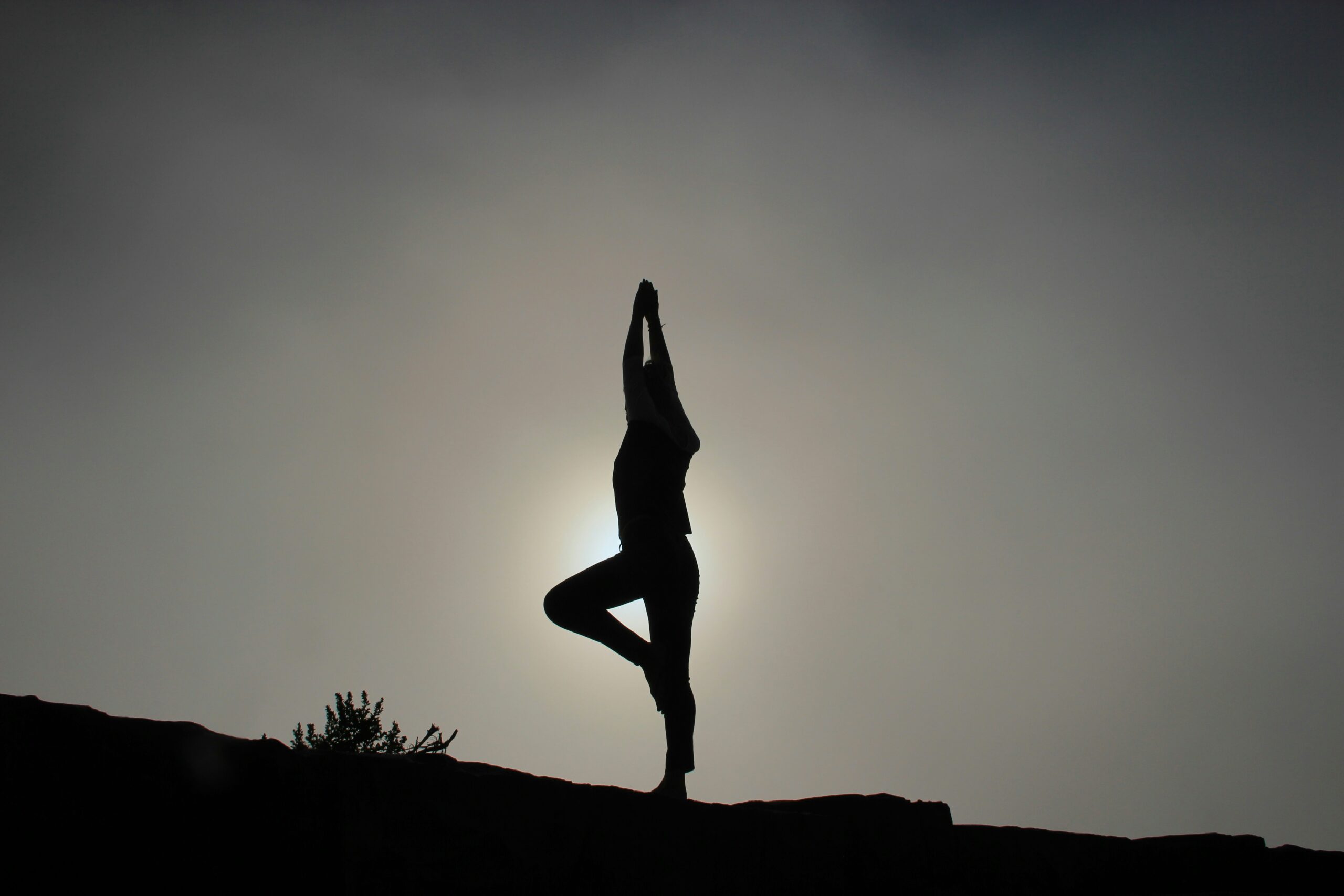
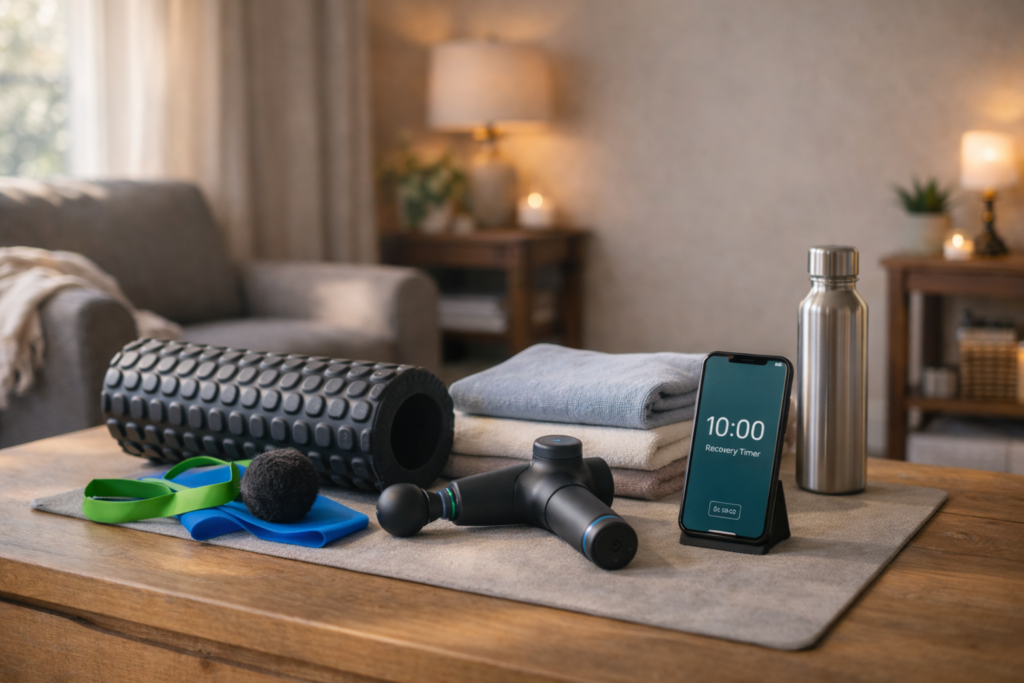
A few years ago, I added yoga and active recovery into my routine. I never imagined myself stretching regularly, yet here I am. And yes, I built my own homemade cold plunge — the same kind of ice bath I use to see guys sitting in after practice and thinking to myself, NEVER! Recovery has become a practice in itself.
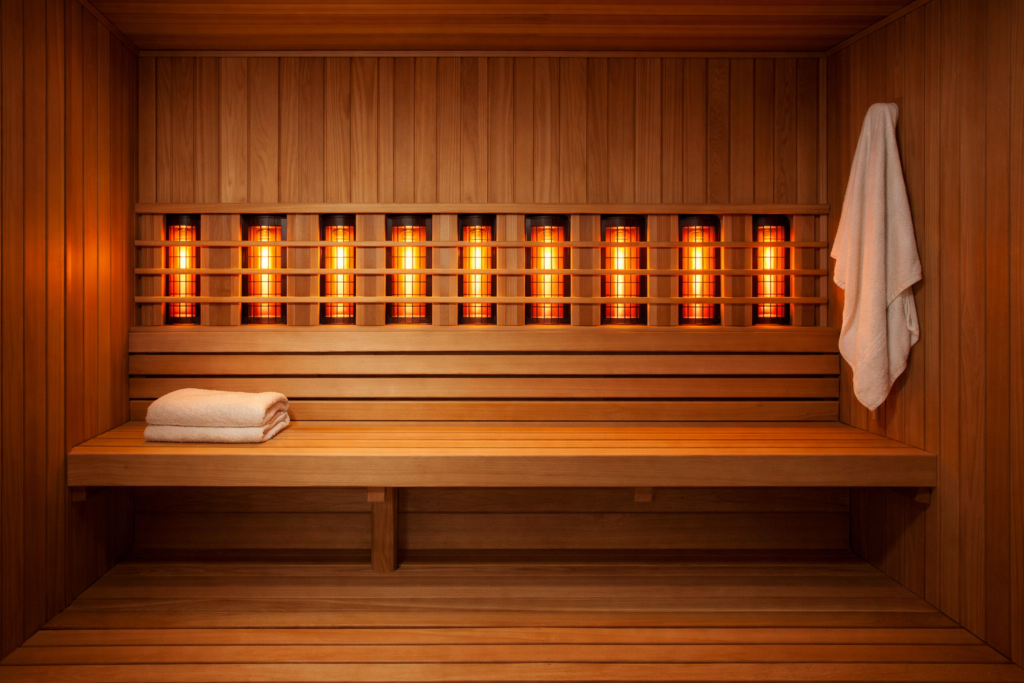
As recovery becomes more important with age, approaches like cold exposure, heat therapy, and intentional recovery protocols start to matter more — especially when you understand how contrast therapy actually works.
Why I Started Smart Recovery Lab
I started Smart Recovery Lab as a personal wellness project. Recovery, both mental and physical, has become a real challenge, and I wanted a place to explore strategies, products, and routines for feeling better.
This lab is me, my family, and my ongoing journey toward physical and mental wellness. I’m not an expert, but I have decades of personal experience experimenting, failing, and learning what works — and what doesn’t. As friends and family have asked me for ideas and guidance, I realized I could share these insights more broadly.
What You Won’t Find Here
To be clear, this is not a medical advice site. You won’t find:
- Promises of guaranteed results
- Professional medical advice
- “Guru” claims or one-size-fits-all solutions
Smart Recovery Lab is about personal experience and exploration. I’ll share what I try, what I learn, and what I find helpful — but it’s up to you to decide what works for your journey.
What You Can Expect
Here, you’ll find:
- Practical wellness ideas I’m experimenting with
- Product reviews and reflections
- Tips for recovery and functional fitness
- Stories from my journey — honest, unpolished, and personal
Some ideas will resonate, others won’t. That’s okay. The goal is exploration, reflection, and learning together.
Some people find cold exposure transformative, while others respond better to heat, which is why comparing sauna vs cold plunge for muscle recovery can help you decide what fits your body best.
Join Me on the Journey
If you’ve landed here, I’m glad you did. Smart Recovery Lab is about curiosity, honesty, and the pursuit of feeling better, both mentally and physically.
I hope you’ll follow along as I share strategies, insights, and experiments in a simple, easy-to-understand format.
Smart Recovery Lab is for educational purposes only and is not a substitute for professional medical advice. Always consult a qualified professional for health concerns.