Infrared Sauna for Joint Pain: What Helps vs What’s Overhyped
Joint pain can turn normal life into a negotiation—stairs, getting up off the couch, training, sleeping. Infrared sauna gets marketed like a miracle cure, so let’s set the record straight.
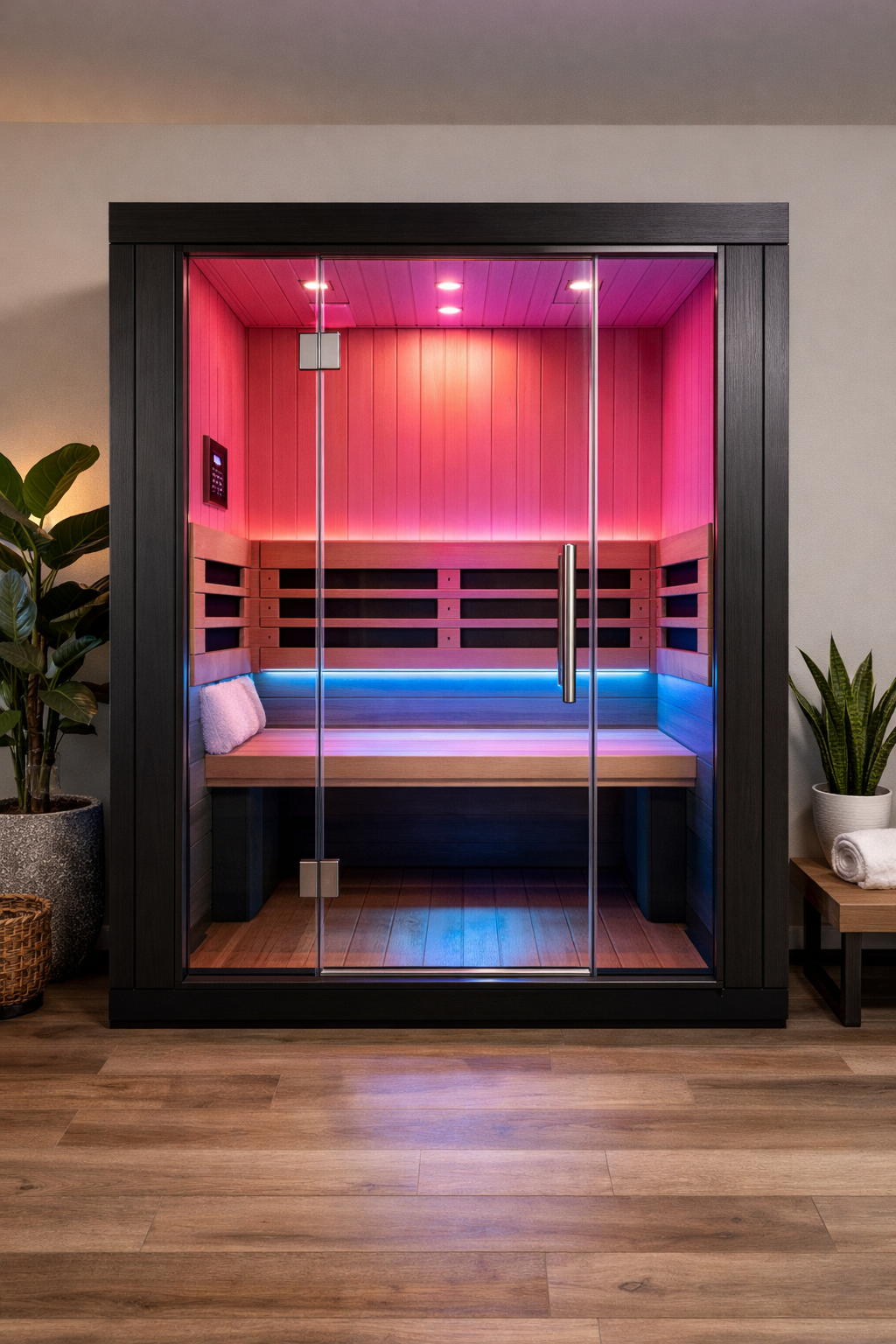
My experience: infrared sauna helped my joints, but it wasn’t instant. One session didn’t “fix” anything—just like one gym session doesn’t make you stronger. Results came from consistency and time, like compounding interest.
This post breaks down what actually helps, what’s overhyped, and a practical weekly routine you’ll stick with.
Disclaimer: This is education + personal experience, not medical advice. If you have severe swelling, fever, recent surgery, or unexplained pain, get checked out.
What Helps (Infrared Sauna Done Right)
1) Consistency beats intensity
If you use the sauna randomly, you’ll probably feel temporary relief—then it fades. The real benefit comes when you stack exposures week after week.
Practical target:
- 3–5 days/week
- 20–40 minutes/session
- Start lower, build up
2) The “warm-up effect” is a big deal for stiff joints
Heat tends to reduce the “rusty” feeling so you move better afterward—which matters because better movement usually leads to less irritation over time.
Do this combo: sauna → gentle mobility
5–10 minutes of easy mobility after (pain-free range only).
3) At-home sauna reduces friction (this is the underrated advantage)
The easier it is to do, the more likely you’ll be consistent. You don’t need perfect timing—just consistent days per week.
If you’re building a simple setup that makes consistency automatic, here’s my complete guide: best at-home recovery setup for busy schedules.
4) Moderate heat + steady sweating is the sweet spot
For joint comfort, you don’t need “survival mode.” You want repeatable sessions that leave you feeling better, not wrecked.
5) Hydration + electrolytes aren’t optional
Sweating regularly without replacing fluids/minerals can make you feel tighter and more sore.
Simple rule: water before + after, electrolytes if you sweat heavily.
What’s Overhyped (ignore this stuff)
“One session will fix your joint pain”
No. Relief can be real, but lasting change usually takes consistent weeks.
“Infrared detoxes you”
Over-marketed. If it helps sleep and stress, great—just don’t buy it as a detox cure.
“Sauna replaces stretching, strength, and nutrition”
Hard no. Recovery is the sum of all parts.
“Hotter is always better”
Too hot/too long can backfire (dehydration, poor sleep, burnout).
Simple Infrared Sauna Protocol for Joint Pain (Beginner → consistent)
Weeks 1–2: Build tolerance
- 15–25 min
- 2–3x/week
- Comfortable moderate heat
Weeks 3–6: Build consistency
- 20–40 min
- 3–5x/week
- Add 5–10 min mobility after
f you want a plug-and-play routine that stacks sauna with mobility and recovery basics, use my full walkthrough here: infrared sauna routine for muscle recovery.
Ongoing: Maintain + adjust
Increase one variable at a time (time OR frequency OR heat). If you start feeling run down, pull back before quitting.
Where Cold Plunge Fits (without the internet arguing)
Cold can feel great. It can also make some people feel tighter if done aggressively.
A practical rule:
- Sauna often helps stiffness
- Cold often helps acute hot soreness
Use both if you want—but don’t treat either like a miracle cure.
When Infrared Sauna Might NOT Be a Good Idea
Use caution / ask a clinician if you have:
- uncontrolled high blood pressure
- unstable heart issues
- fever/infection
- severe dizziness/fainting history
- fresh injury with significant swelling/heat
- worsening pain, rapid loss of range of motion, unexplained swelling
FAQ (keep these exactly—Rank Math likes them)
How long does it take for infrared sauna to help joint pain?
Usually weeks, not one session. The biggest gains tend to show up when you stack consistent weekly sessions.
How many days per week should I sauna for joint pain?
Start at 3 days/week. If you tolerate it well and feel better, move toward 4–5 days/week.
Should I sauna on workout days or rest days?
Either. If it improves how you move and sleep, it’s doing its job.
What should I do right after sauna for joints?
Hydrate, cool down, then do 5–10 minutes of gentle mobility.
Bottom Line
Infrared sauna can help joint pain—but it’s not instant and it’s not a replacement for the basics. Treat it like compounding interest: reduce friction (at home), stay consistent, hydrate, and pair it with mobility and smart training.
Recommended Tools (Smart Recovery Lab)
If you want to reduce friction and stay consistent, I keep everything I recommend (saunas, electrolytes, mobility tools, and recovery basics) updated here:
Smart Recovery Lab Recommended Tools
Affiliate disclosure: Some links may be affiliate links, which means I may earn a commission at no extra cost to you.