Is Infrared Sauna Worth It for Muscle Recovery?
Short Answer
Infrared sauna muscle recovery is something I was skeptical about at first.
I own a low-EMF infrared sauna with integrated red light panels. It has been one of the most effective recovery tools I’ve added to my routine.
This isn’t hype. It’s pattern recognition.
The Problem Before the Sauna
Before purchasing, I was dealing with:
- Persistent muscle soreness
- Joint irritation that wouldn’t fully resolve
- Weekly “reset soreness,” especially after leg day
- Recovery that lagged despite doing everything “right”
My routine was already dialed in:
- Consistent strength training
- Adequate protein intake
- Hydration
- Stretching
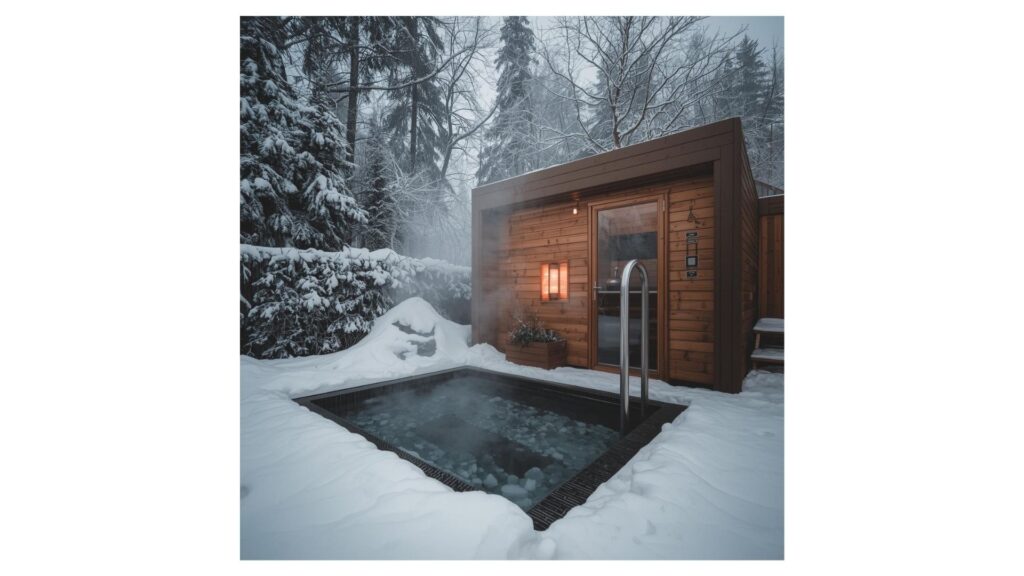
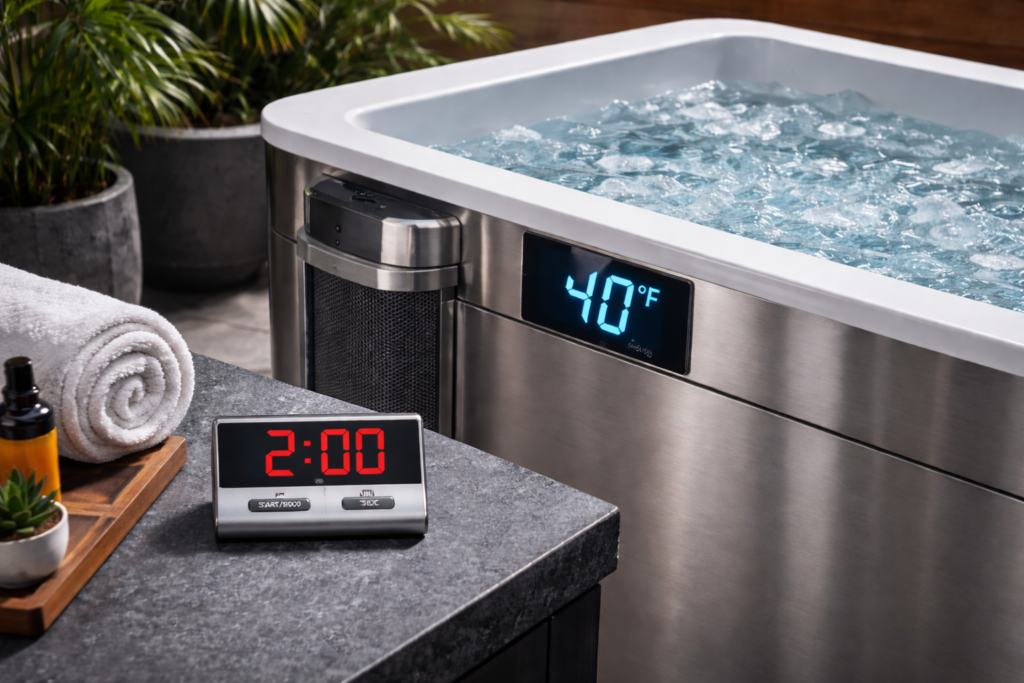
- Cold plunging
Cold exposure helped blunt symptoms. It reduced inflammation acutely and made me feel better faster. But it didn’t stop the cycle.
Every Monday was leg day. Every week felt like the first week back after months off. Severe DOMS. Several days of stiffness. Relief by the weekend. Repeat.
That’s not sustainable if you care about progression.
The Decision to Invest
Eventually, it was time to add something different.
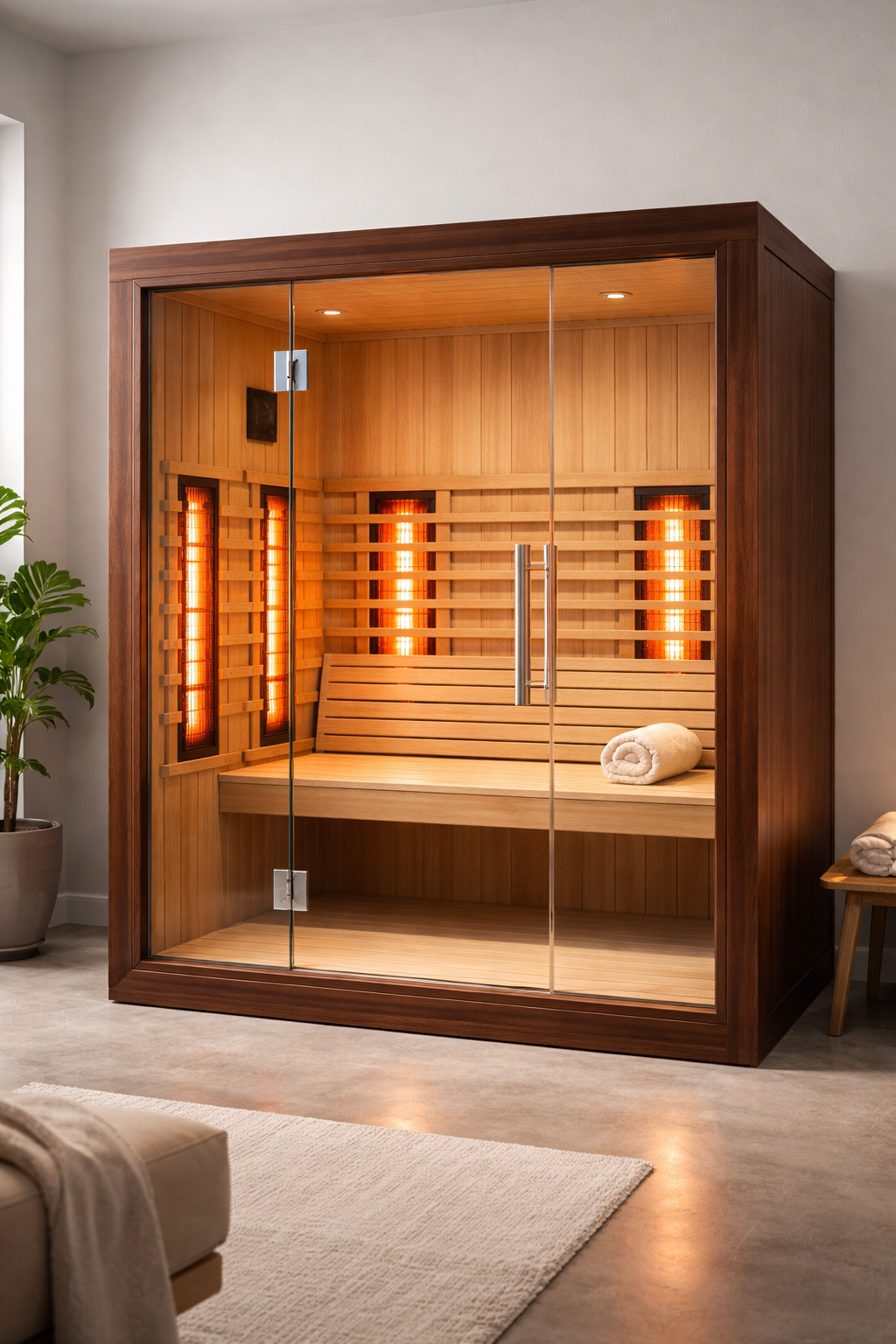
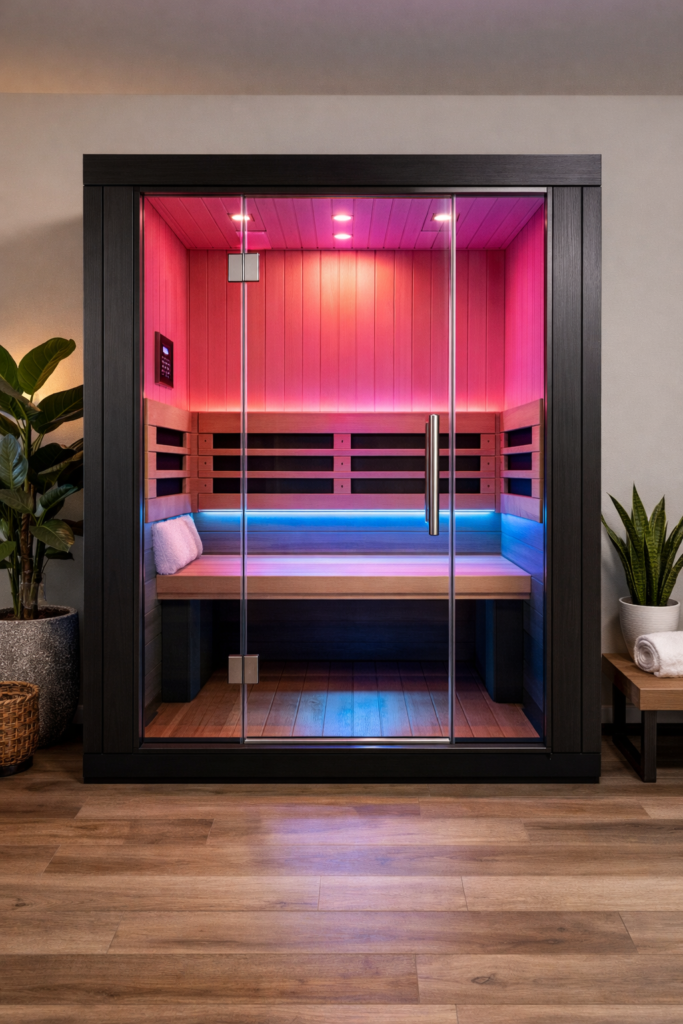
Given my constraints and goals, I chose a red light infrared sauna rather than a traditional high-heat sauna. My reasoning:
- Lower ambient air temperature (more tolerable, longer sessions)
- Direct tissue heating via infrared wavelengths
- Built-in red light exposure
- Low EMF build for peace of mind
I was cautiously optimistic. Worst case scenario?
I get 20–30 minutes of forced downtime to meditate or listen to a podcast.
That alone has value.
If you’re still evaluating options, I break down the best at-home infrared saunas in this detailed buyers guide.
What Actually Changed
The sauna delivered on relaxation.
But the real gain was physiological.
Over the course of weeks:
- Muscle soreness reduced significantly
- Joint irritation diminished
- Recovery time shortened
- Weekly “leg day crash” stopped
Nothing else in my training changed.
Same volume.
Same diet.
Same stretching.
Same cold exposure.
The sauna was the only new variable.
Correlation is not always causation. But when you control the inputs and one lever changes the output, it’s hard to ignore.
Why It Likely Works
Infrared sauna therapy is different from traditional steam-based heat exposure, and if you’re comparing the two, I break down the full differences here.
Here’s what’s likely happening:
1. Increased circulation
Heat causes blood vessels to widen, improving blood flow. That means better nutrient delivery and better clearance of metabolic waste from trained muscles.
2. Cellular repair response
Heat stress triggers internal repair mechanisms that support recovery and adaptation.
3. Muscle relaxation
Heat downshifts your nervous system. Less tension. Less stiffness. Better mobility the next day.
4. Red light exposure
If you look into the research on red light therapy, you’ll see it’s already being used in clinical and sports performance settings to support muscle recovery and reduce inflammation. There’s growing research supporting red light therapy for recovery and inflammation reduction.
This isn’t magic. It’s controlled stress followed by adaptation.
Where Cold Plunging Fits In
Cold exposure still has value for me.
It absolutely helps blunt muscle soreness in the short term. If I’m inflamed or especially beat up after a hard session, a cold plunge reduces that intensity quickly.
There’s also a mental component that shouldn’t be ignored. Getting into cold water builds resilience. It forces you to control your breathing and stay calm under stress.
And if you’re debating whether to build your own plunge or buy one, I’ve covered that decision framework as well.
But here’s what I’ve noticed:
Cold plunging gives me more of a sharp reset and a noticeable euphoric lift afterward. There’s a real mental high when you get out. You feel alert, accomplished, almost charged up.
If you’re wondering how often you should actually be cold plunging for recovery, I break that down separately.
The sauna feels different.
It’s more restorative than stimulating. Less of a spike. More of a steady recovery tool that seems to improve the baseline rather than just blunt symptoms.
Both have their place. They just serve different roles.
How I Use It
My protocol:
- 20–30 minutes
- Directly post-workout during the week
- 3–5 days per week
- Weekends: active recovery + at least one contrast session
Contrast therapy (alternating heat and cold) remains part of my routine.
But the sauna changed the baseline.
Now soreness is minimal instead of debilitating.
Cost vs. Return
An infrared sauna is not cheap.
But evaluate it like this:
- Does it increase training consistency?
- Does it reduce missed sessions?
- Does it improve sleep?
- Does it create a structured recovery ritual you actually look forward to?
For me, the return on investment is clear.
It’s not just muscle recovery. It’s a built-in decompression window that reinforces discipline.
Who Should Consider One?
An infrared sauna may be worth it if:
- You train intensely multiple times per week
- You struggle with recurring soreness
- You’ve already optimized sleep, nutrition, and hydration
- You want a consistent at-home recovery tool
It is not a shortcut for poor programming.
It is an amplifier.
Final Verdict
Is infrared sauna worth it for muscle recovery?
For me — yes.
My muscle and joint soreness is now minimal. The weekly cycle is gone. Recovery is predictable. Training feels progressive again.
I can’t say whether it’s the heat alone, the red light, the timing, or the combination.
What I can say is this:
It was the only variable that changed.
And it worked.