Sauna vs Cold Plunge: Which Is Better for Recovery?
Sauna vs cold plunge recovery is a debate that usually starts once people begin using cold plunges consistently.
Should I be using a sauna too?
And if so… which one is actually better for recovery?
The honest answer is this:
Neither is better.
They just do very different things.
Understanding what each tool does — and when to use it — is what turns recovery from guesswork into something repeatable.
Stress Is the Common Thread
Both sauna and cold plunge work because they apply controlled stress.
That stress forces your body to adapt, which shows up as:
- Improved resilience
- Better recovery
- Increased tolerance to discomfort
- Improvements in cardiovascular and metabolic health
But the type of stress matters.
Heat and cold create very different responses in the body.
Much of the research behind these methods comes from contrast therapy protocols used in athletic recovery.
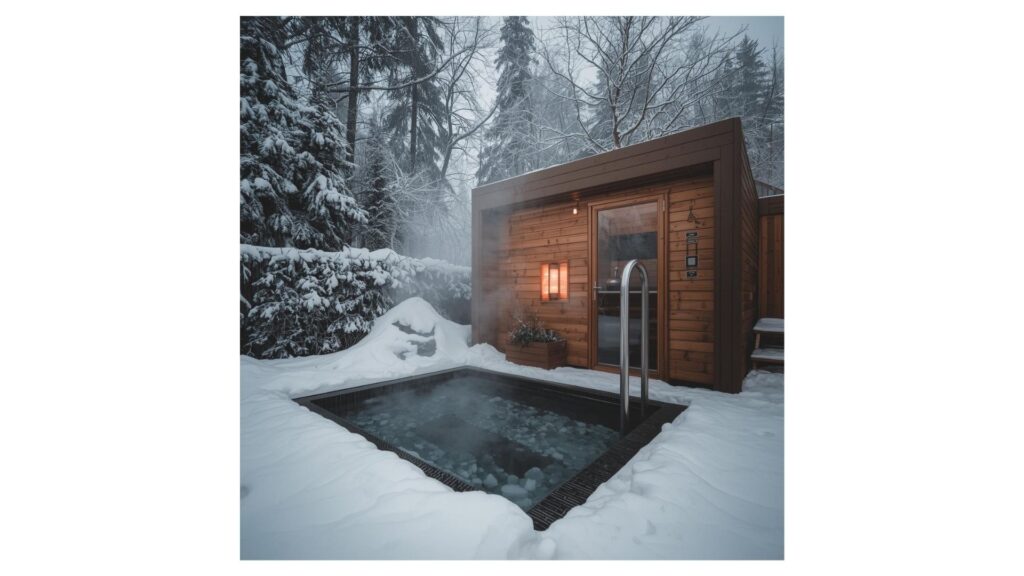
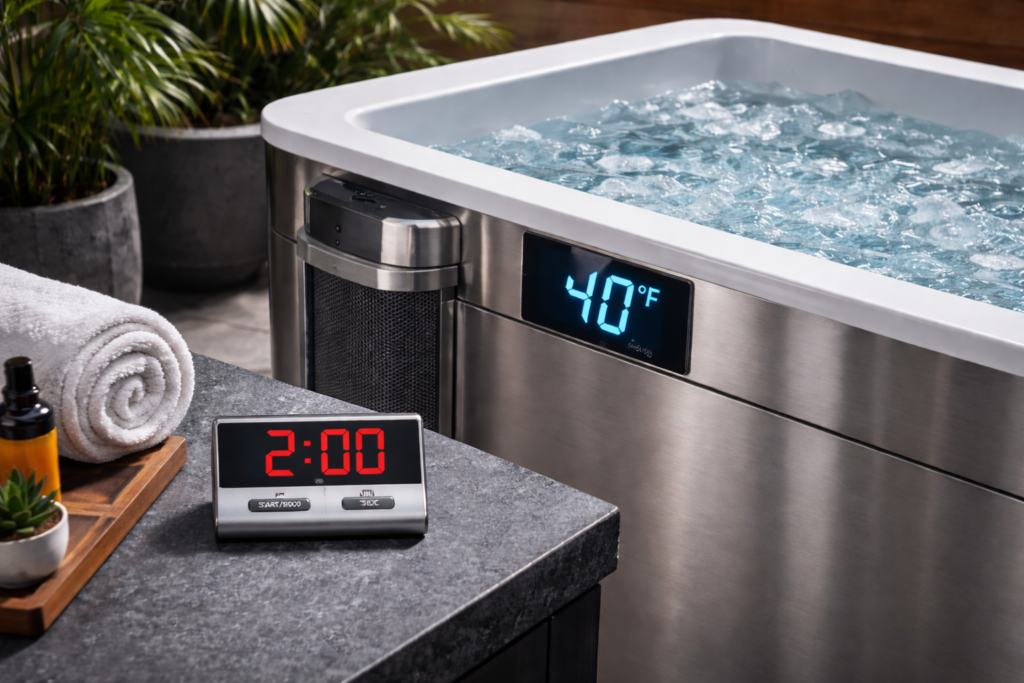
What Cold Plunging Is Best At
Cold exposure creates a rapid, intense stress response.
Physiologically, it:
- Causes vasoconstriction followed by improved circulation
- Reduces pain perception
- Dampens inflammation
- Trains the nervous system to remain calm under stress
From a recovery standpoint, cold plunging is especially useful for:
- Acute soreness
- High-impact or high-volume training
- Endurance or conditioning work
- Nervous system regulation
Cold is sharp and immediate. You feel the effects right away.
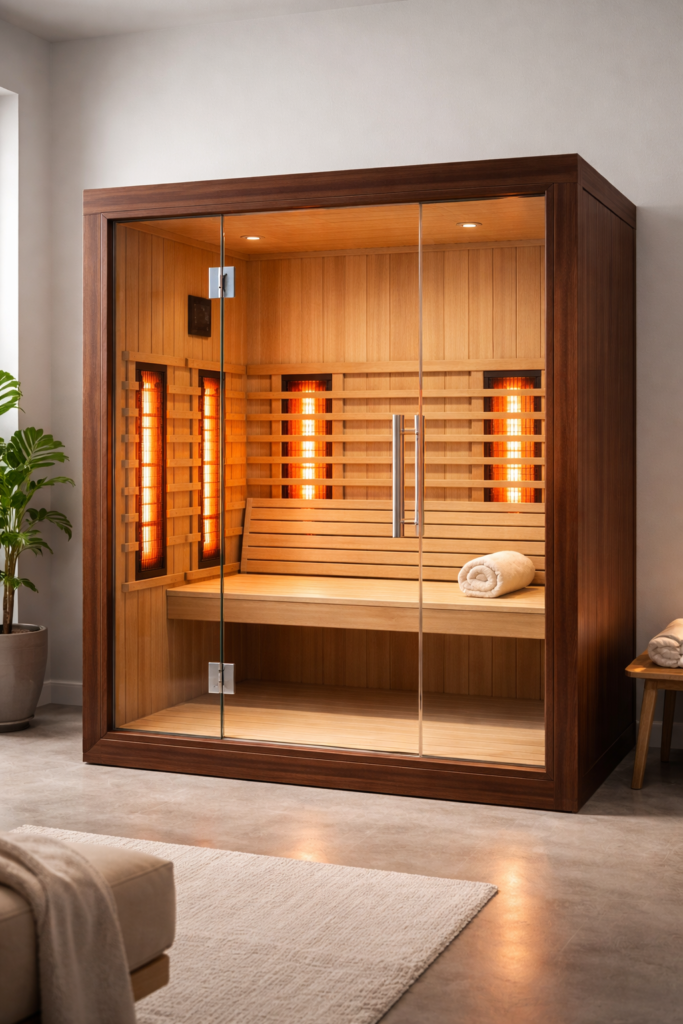
What Sauna Is Best At
Heat exposure works more slowly, but more broadly.
Regular sauna use has been associated with:
- Increased blood flow to muscles
- Improved cardiovascular efficiency
- Reduced muscle stiffness
- Improved relaxation and sleep quality
- Long-term recovery and resilience
From a practical recovery standpoint, sauna use is particularly effective for reducing muscle soreness.
The increased circulation helps:
- Deliver oxygen and nutrients to muscle tissue
- Clear metabolic byproducts
- Reduce stiffness and tightness after training
Sauna doesn’t numb soreness the way cold can. It helps muscles recover more completely over time.
Sauna and Muscle Health
Muscle is not just about strength or appearance. It plays a major role in:
- Metabolic health
- Injury prevention
- Long-term durability as we age
Heat exposure supports muscle recovery by:
- Improving blood flow to working muscles
- Supporting connective tissue health
- Enhancing recovery between sessions
This makes sauna particularly useful for people focused on strength training, consistent performance, and long-term health.
Hydration Matters More Than You Think
Any time you use a sauna — for any length of time — hydration is not optional.
Heat exposure increases sweat loss quickly, even if the session feels manageable.
Basic guidelines:
- Hydrate before entering the sauna
- Replace fluids afterward
- Consider electrolytes if sessions are longer or frequent
Poor hydration turns sauna from a recovery tool into an added stressor.
Cold vs Heat: Different Recovery Jobs
Think of cold and heat as tools with different purposes.
Cold is better for immediate relief.
Heat is better for ongoing recovery and tissue health.
Cold Plunge Is Better When:
- You’re dealing with acute soreness
- Training includes high impact or intense conditioning
- You need to calm an overstimulated nervous system
- Fast recovery between sessions matters
- See here for more cold plunge benefits
Sauna Is Better When:
- You want to reduce muscle soreness and stiffness
- Training focuses on strength and consistency
- Long-term recovery is the priority
- You want to support cardiovascular health
Strength Training Changes the Equation
Cold exposure used too frequently immediately after strength training can interfere with muscle adaptation.
Inflammation plays a role in muscle growth.
Sauna does not blunt this signal and can support recovery without interfering with adaptation.
If muscle quality and long-term strength are priorities:
- Sauna fits more naturally into the routine
- Cold should be used more selectively
What If You Can Only Choose One?
If you had to choose just one tool:
- Choose cold if your training is mostly endurance-based or sport-driven
- Choose sauna if your training emphasizes strength, muscle health, and longevity
If you can use both, even better — as long as they’re used intentionally.
The Mental Side Still Matters
Cold plunging should still be uncomfortable.
You shouldn’t want to get in.
You should want the way you feel after it’s over.
Sauna discomfort is different. It’s slower, quieter, and more reflective.
Both build resilience — just in different ways.
The Smart Recovery Takeaway
Cold and heat are not competing tools.
Cold:
- Short-term relief
- Nervous system training
- Acute recovery
Heat:
- Muscle soreness reduction
- Long-term recovery
- Cardiovascular support
Use the right tool for the right job.
That’s how recovery stays effective — and sustainable.
What’s Coming Next
Next, we’ll break down contrast therapy — when alternating heat and cold actually helps, and when it’s just unnecessary stress layered on top of hard training.