How Often Should You Cold Plunge for Recovery?
How often cold plunge for recovery is one of the most common questions people ask after starting.
How often am I supposed to do this?
Daily?
Weekly?
Only on hard training days?
Whenever I feel like questioning my life choices?
Like most things in recovery, the answer is simpler — and less extreme — than the internet makes it sound.
Cold plunging works best when it’s used strategically, not obsessively.
The Short Answer
For most people:
- 2–4 cold plunge sessions per week
- 2–5 minutes per session
- Total weekly cold exposure of roughly 11–15 minutes
That’s enough to see real benefits without turning recovery into another stressor.
Why Frequency Matters More Than Intensity
Cold plunging is a stressor. A useful one — but still a stressor.
- Reduce inflammation
- Improve circulation
- Support nervous system resilience
- Improve perceived recovery
Used too often, it can:
- Increase fatigue
- Disrupt sleep
- Dull training adaptations
- Turn recovery into a chore
Recovery tools only work when your body has time to adapt and rebound.
What Research and Professional Practice Suggest
Across peer-reviewed studies and real-world sports performance environments, a few patterns show up consistently:
- Short, repeated exposure works better than long sessions
- Frequency should match training load
- More is rarely better
Most professional recovery labs do not plunge athletes daily unless there’s a specific, short-term reason.
Recommended Cold Plunge Frequency by Experience Level
Beginners
If you’re new to cold exposure:
- 2 sessions per week
- 2–3 minutes per session
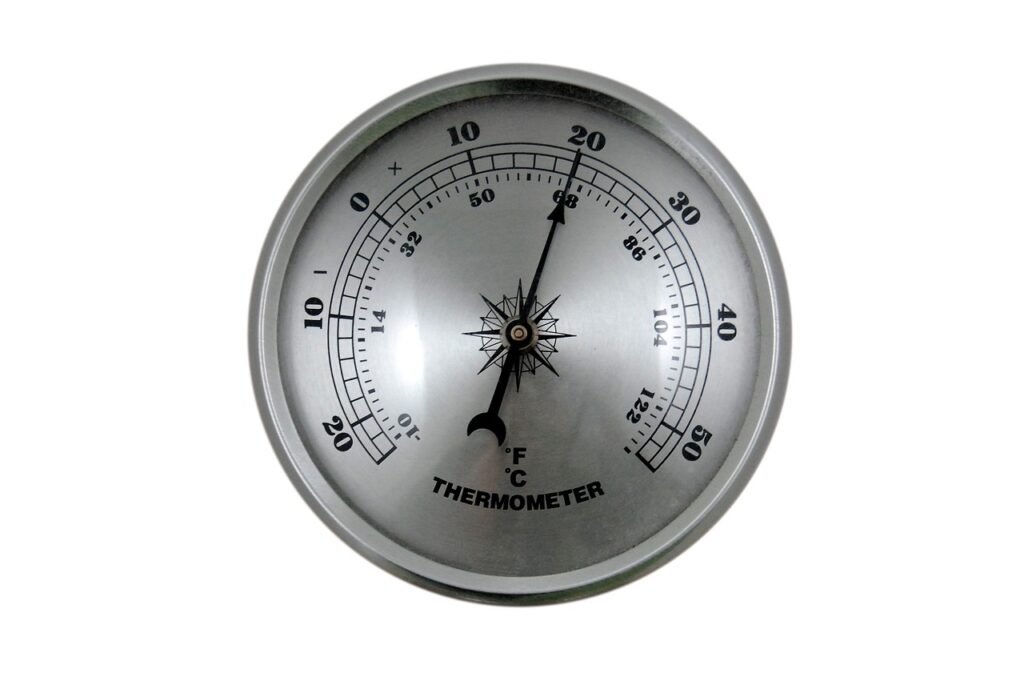
- Temperatures around 55–59°F
The goal here is adaptation, not toughness. Learn to control your breathing and stay calm under stress. For more information regarding cold plunging for beginners, look here.
Intermediate
If cold plunging already feels familiar:
- 2–3 sessions per week
- 3–5 minutes per session
- Temperatures around 50–55°F
This is where most people find the best balance of benefit and sustainability.
Advanced or High Training Load
If you train hard and recover well:
- 3–4 sessions per week
- Shorter sessions if using colder temperatures
- Still aiming to keep total weekly exposure under roughly 15 minutes
Daily plunging is rarely necessary, even at this level.
Should You Cold Plunge Every Day?
For most people, no.
Daily cold plunging may make sense:
- During short periods of high training volume
- During competition phases
- When managing acute soreness
As a long-term habit, daily plunging often leads to:
- Lingering fatigue
- Reduced motivation
- Poor sleep quality
Recovery should support your training — not compete with it.
Cold Plunging and Training Timing
After Strength or Hypertrophy Training
Frequent cold exposure immediately after lifting can interfere with muscle growth if overused.
Better options:
- Wait several hours
- Plunge on non-lifting days
- Use cold exposure more sparingly during strength phases
Frequent cold exposure immediately after lifting can interfere with muscle growth if overused.
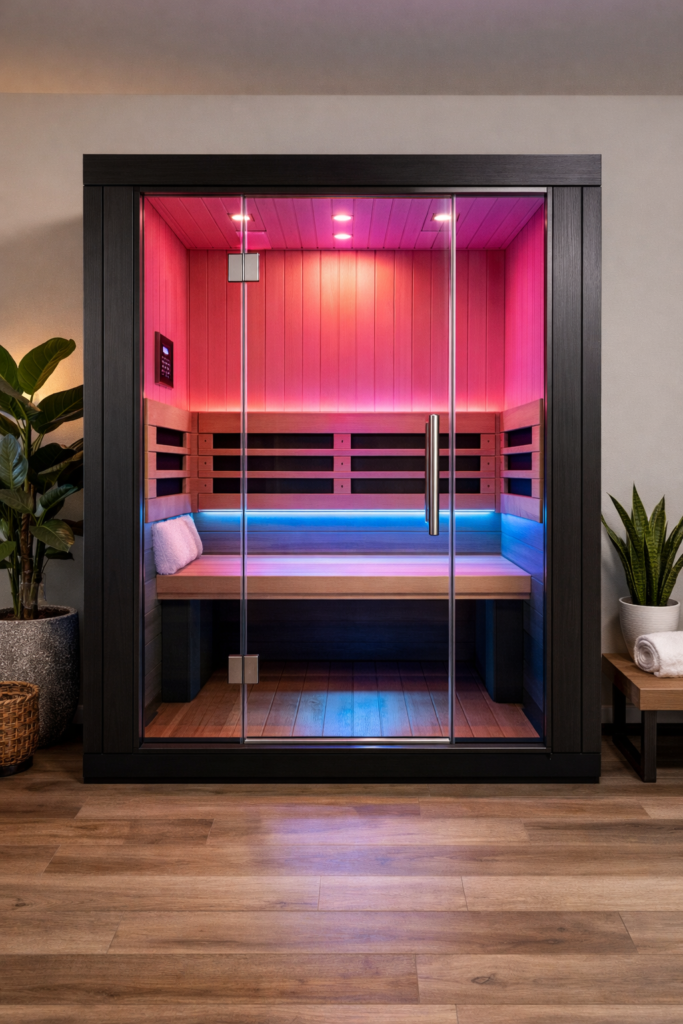
In these cases, heat-based recovery may be a better option, as sauna use supports circulation and relaxation without blunting strength or hypertrophy adaptations — which is why many athletes rotate between the two depending on their training phase.
After Conditioning or Endurance Work
Cold plunging fits very well here:
- Reduces soreness
- Supports nervous system recovery
- Improves readiness for the next session
On Rest Days
Cold plunging on rest days works extremely well:
- Promotes recovery
- Maintains routine
- Avoids interference with training adaptations
How Cold Plunging Should Feel
You should not want to get into the cold plunge.
If you’re excited to step in, it’s probably not cold enough.
A proper plunge should:
- Feel uncomfortable
- Make you hesitate
- Make you want to get out
You’re not chasing the plunge itself — you’re chasing how you feel after it’s over.
That said, it should still be controlled. You should be able to manage your breathing and stay present.
Do one hard thing on purpose. If that’s the hardest thing you do that day, the rest of the day feels easier by comparison.
Signs You’re Doing It Too Often
Pull back if you notice:
- Poor sleep
- Lingering fatigue
- Irritability
- Loss of motivation to train
- Feeling flat instead of refreshed
These are signs recovery has turned into stress.
The Smart Recovery Takeaway
Cold plunging works because it applies stress in the right dose.
For most people:
- 2–4 sessions per week
- Short, uncomfortable, controlled exposure
- Aligned with training, not fighting it
Consistency beats intensity.
Strategy beats ego.
What’s Coming Next
Next, we’ll compare sauna and cold plunge for recovery — when to use heat, when to use cold, and how they fit into a smart recovery routine.