Contrast Therapy: What the Science Says (and What I’ve Personally Learned)
Contrast therapy recovery has gained popularity as athletes alternate heat and cold in the same session.
I’ll be honest up front:
This isn’t something I do every day.
It’s time-consuming.
And it’s not something I think should be overused.
But when used intentionally, it’s been one of the most effective recovery tools I’ve added in my mid-40s.
This post breaks down:
- My personal experience using contrast therapy
- Why it feels so effective
- What the science actually says
- When it makes sense — and when it doesn’t
My Personal Experience With Contrast Therapy
From everything I had read before trying it, contrast therapy is often described as a way of “flushing” the system.
Cold exposure causes blood vessels to constrict.
Heat exposure causes them to dilate.
Going back and forth between the two feels like flooding tissues with fresh, oxygenated blood, then pulling it back out — over and over again.
That’s exactly how it feels in practice.
I personally:
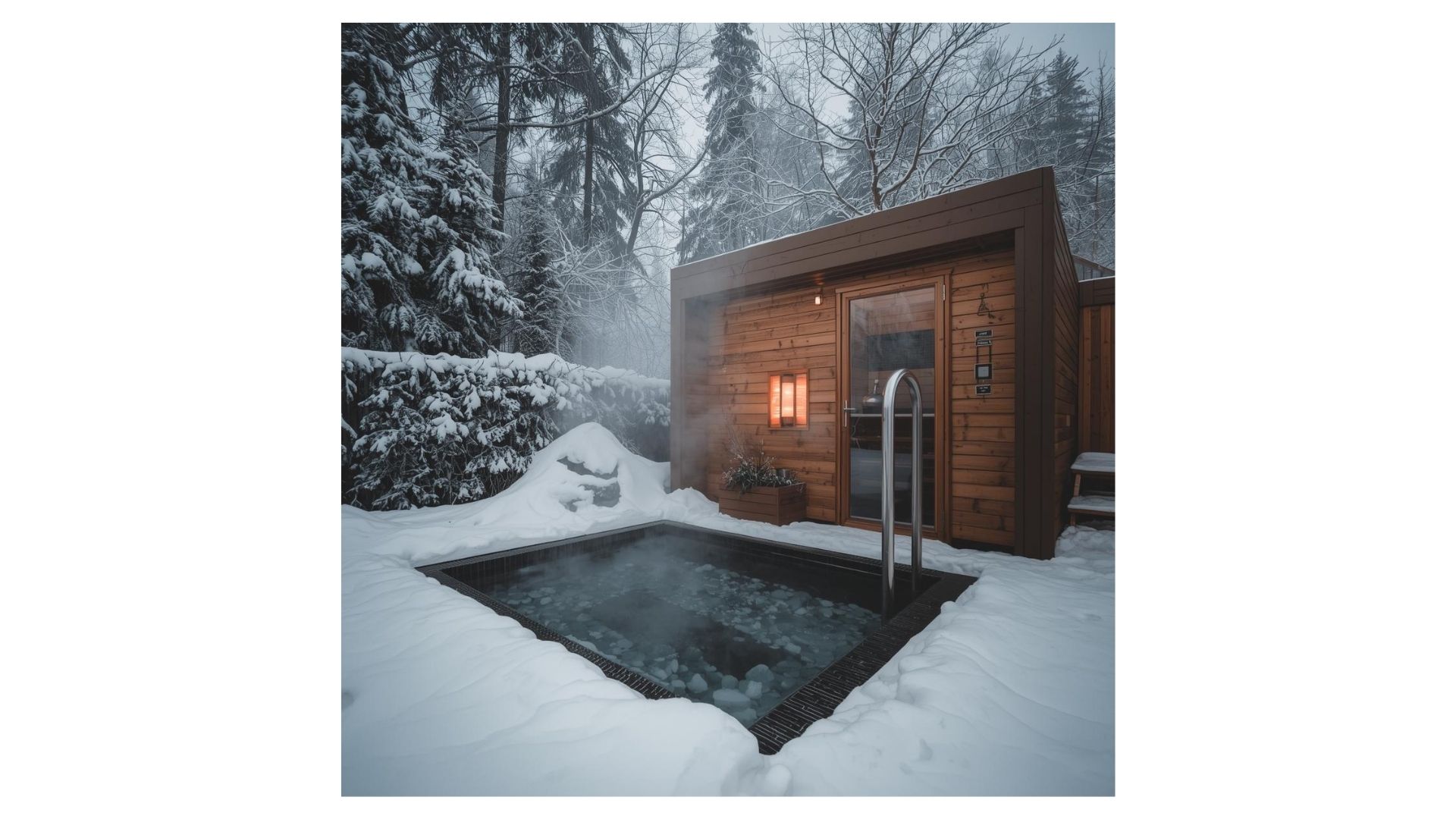
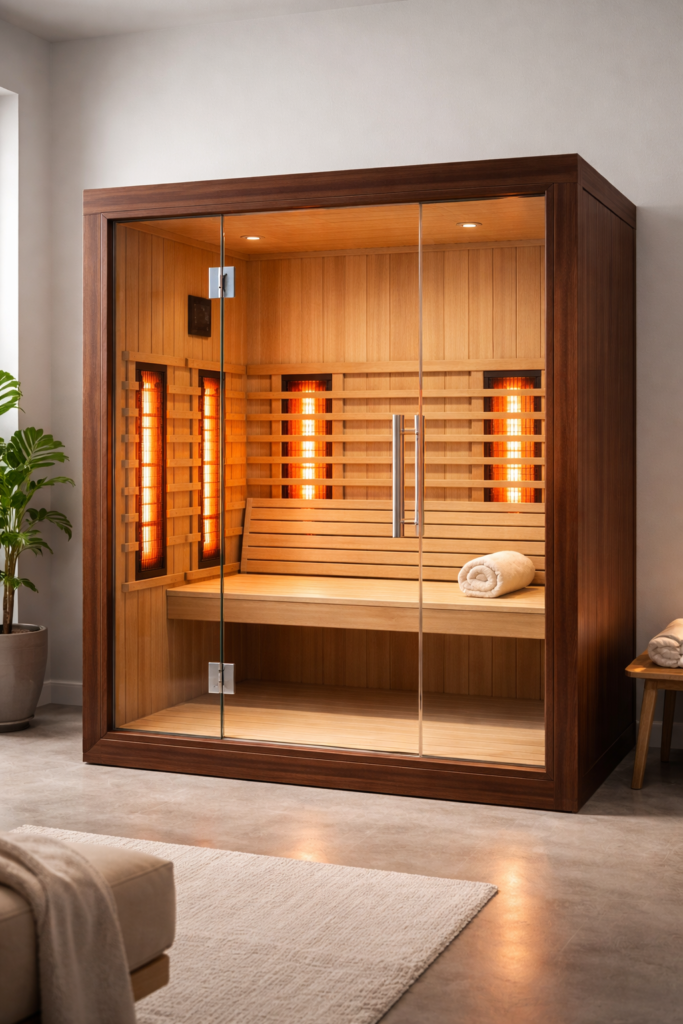
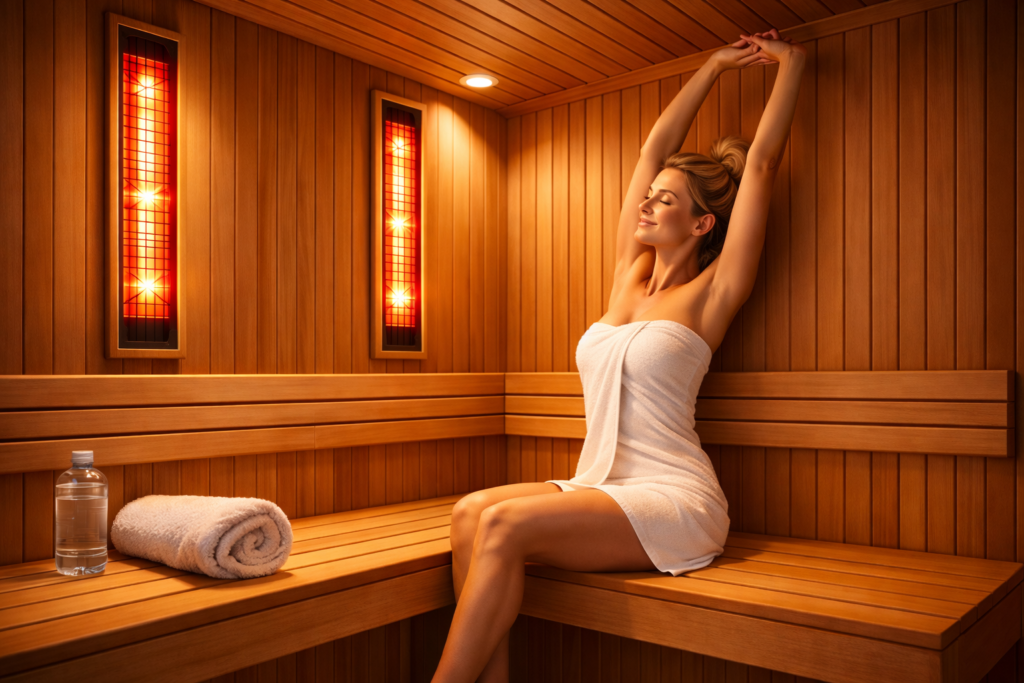
- Start with the sauna
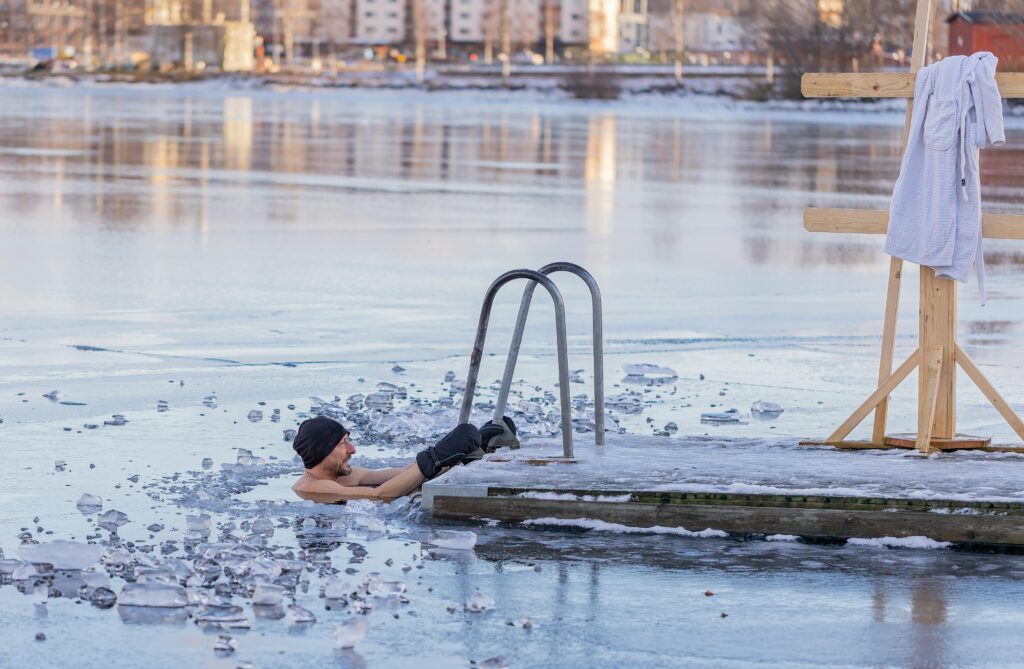
- Finish with the cold plunge
- Have only used this order so far
Some research suggests starting hot and ending cold may help reduce inflammation and leave the nervous system calmer, but I’ll be clear — the jury is still somewhat out on whether order matters significantly.
This is simply what I’ve done consistently.
When I Use Contrast Therapy
I don’t use contrast therapy randomly.
I reserve it for:
- Days with particularly hard workouts
- Recovery-focused weekends when I’m not training at all
I look at it as a recovery investment, not a daily habit.
Let’s Be Honest: It Takes Time
Contrast therapy is not quick.
A single round for me looks like this:
- ~30 minutes to heat the sauna
- ~25 minutes in the sauna
- Quick rinse/shower (to keep the plunge clean — more on that later)
- ~2 minutes in the cold plunge
That’s already about an hour, and that’s just one round.
You can do 2–3 rounds if you want, but this is why I often treat it as a recovery weekend ritual, not something I try to squeeze into a busy weekday.
Why Recovery Matters More as You Age
I work hard.
I train hard.
I play hard.
But the truth is — recovery in your 40s is not the same as recovery in your 20s.
For a long time, I was getting frustrated that:
- Every leg workout left me brutally sore
- It felt like I was constantly “starting over”
- Even consistent training didn’t seem to reduce soreness
That frustration is a big part of why Smart Recovery Lab exists.
My mission is to feel better — physically and mentally — as I age, not just push harder and hope for the best.
Since consistently using sauna, cold plunge, and occasional contrast therapy:
- My leg soreness has dropped significantly
- Recovery between sessions is noticeably faster
- Training feels sustainable again
I don’t do contrast therapy all the time.
That would be too much stress.
Most days, it’s either sauna or cold, not both.
But either way — it helps.
What Does the Science Say?
Let’s separate sensation from evidence.
Blood Flow & Circulation
Research shows:
- Cold exposure causes vasoconstriction (blood vessels narrow)
- Heat exposure causes vasodilation (blood vessels widen)
Alternating between the two creates a pumping effect that may:
- Improve circulation
- Support nutrient delivery
- Assist with metabolic waste removal
This mechanism helps explain why muscles often feel looser and less sore afterward.
Muscle Soreness & Recovery
Studies on contrast therapy suggest it may:
- Reduce perceived muscle soreness
- Improve subjective recovery
- Support faster return to training
However, like cold plunging alone, contrast therapy appears to be better for recovery and soreness management than for muscle growth itself.
That’s not a downside — it just means it should be used strategically, not automatically.
Nervous System Effects
Contrast therapy introduces controlled stress, but also teaches the nervous system to:
- Transition between stimulation and relaxation
- Tolerate discomfort
- Return to baseline more efficiently
Many people report feeling calm, clear-headed, and grounded afterward — which aligns with what I’ve personally experienced.
Why I Finish With Cold
Ending with cold:
- Leaves me feeling mentally calm
- Reduces lingering inflammation
- Makes sleep noticeably better later that night
Some protocols suggest ending warm for relaxation, others cold for inflammation control.
This is one area where personal response matters.
I’ll continue experimenting, but for now, finishing cold works for me.
Hydration Is Non-Negotiable
Any time heat is involved, hydration matters.
Sauna use increases sweat loss quickly — even when you don’t realize it.
If you’re using contrast therapy:
- Hydrate before starting
- Replace fluids afterward
- Consider electrolytes for longer or multi-round sessions
Poor hydration turns recovery into added stress.
Should You Use Contrast Therapy?
Contrast therapy is not for everyone — and it’s not needed all the time.
It makes sense if:
- You train hard
- You’re dealing with persistent soreness
- You value recovery as much as effort
- You can commit the time intentionally
It’s probably not ideal if:
- You’re already overtrained
- Sleep and nutrition are poor
- You’re chasing extremes instead of consistency
My Takeaway So Far
Contrast therapy isn’t magic.
But used intentionally, it:
- Reduces soreness
- Improves recovery
- Supports long-term training consistency
- Helps me feel better in my mid-40s than I did a few years ago
That’s the entire point of Smart Recovery Lab.
Work hard.
Recover harder — but smarter.
Build a body and mind you can live in peacefully for decades.