Cold Plunge Benefits for Recovery: What Actually Helps vs What’s Overhyped
Cold plunge benefits for recovery are often overstated online.
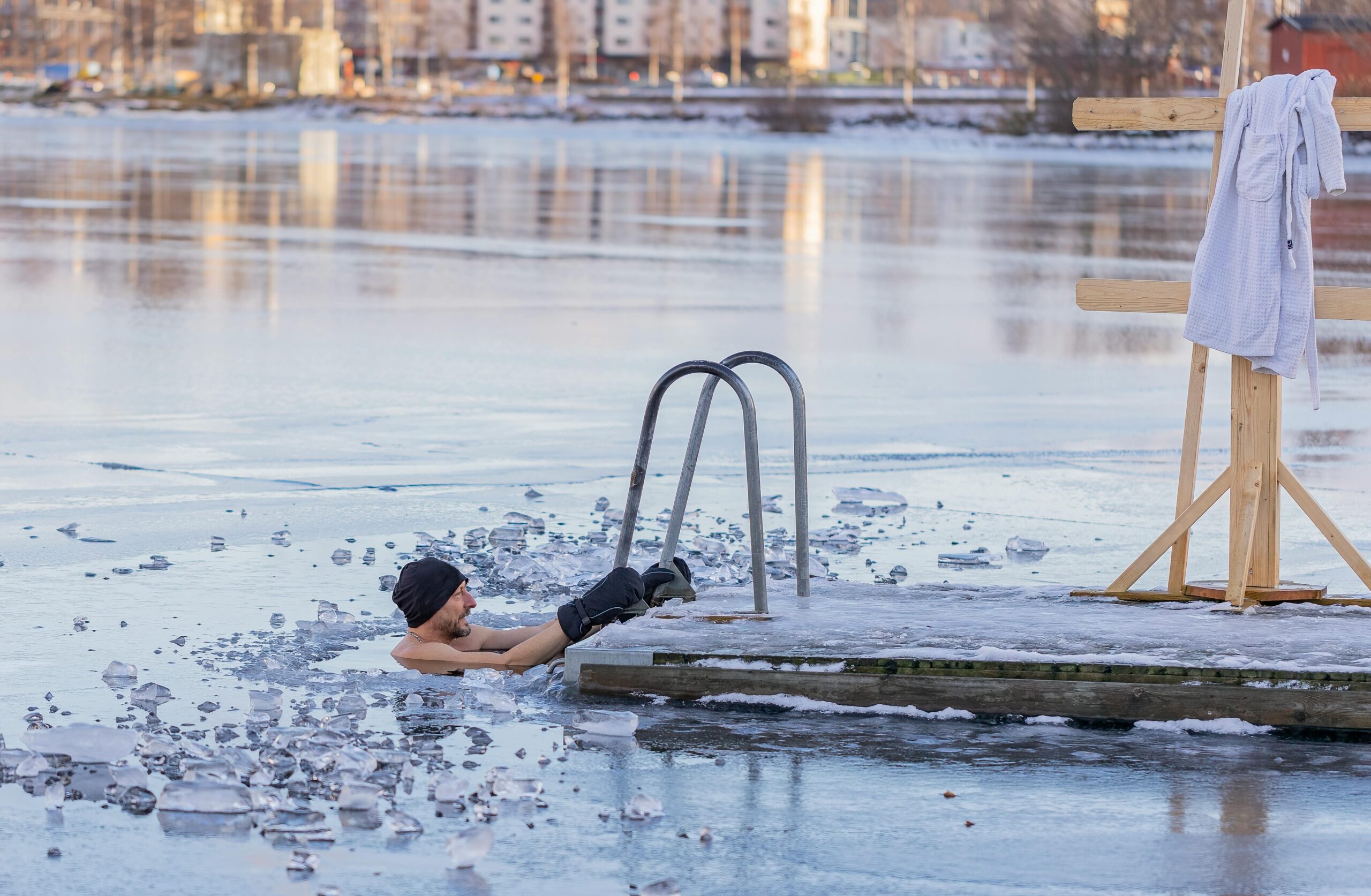
Cold plunging has exploded in popularity over the past few years. What was once a niche recovery practice used by elite athletes is now all over social media, often presented as a cure-all for pain, inflammation, stress, fat loss, and even motivation.
But as with most wellness trends, the reality is more nuanced.
Cold plunging can be a powerful recovery tool — but only when it’s used intentionally, sustainably, and with an understanding of how the body actually responds to cold exposure. Used incorrectly or excessively, it can just as easily become another stressor layered onto an already overloaded system.
This article breaks down what cold plunging really does for recovery, which benefits are well supported, which claims are overblown, and how to approach it in a way that actually supports long-term health.
What Cold Plunging Actually Does to the Body
When you enter cold water, your body experiences an immediate cold shock response. Blood vessels near the skin constrict, breathing becomes rapid, and the nervous system shifts into a heightened state of alertness.
From a recovery standpoint, a few key things are happening:
- Vasoconstriction followed by reperfusion: Blood flow is temporarily restricted, then increases once you warm back up.
- Nervous system activation: Cold exposure stimulates the sympathetic nervous system, followed by a rebound parasympathetic response when the exposure ends.
- Perception shift: Pain and soreness are often temporarily reduced due to changes in nerve signaling.
Note: Cold plunging doesn’t magically heal tissue or erase inflammation. Instead, it influences how your body responds to stress, discomfort, and recovery demands.
Cold Plunge Benefits That Are Well Supported
When used appropriately, cold plunging can offer several meaningful recovery benefits:
Reduced Perceived Muscle Soreness
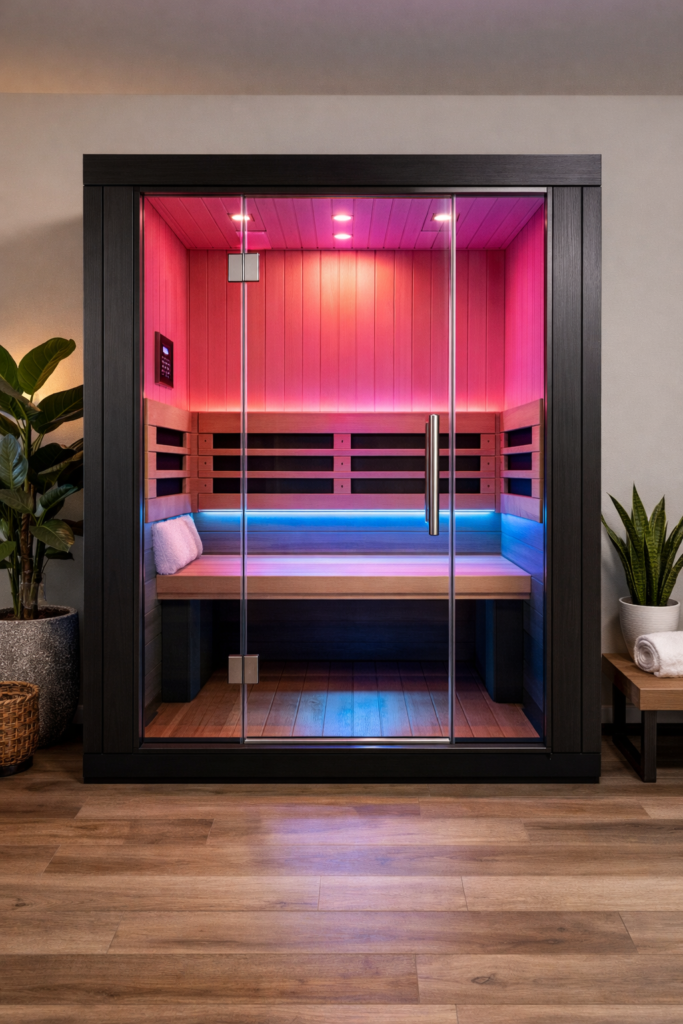
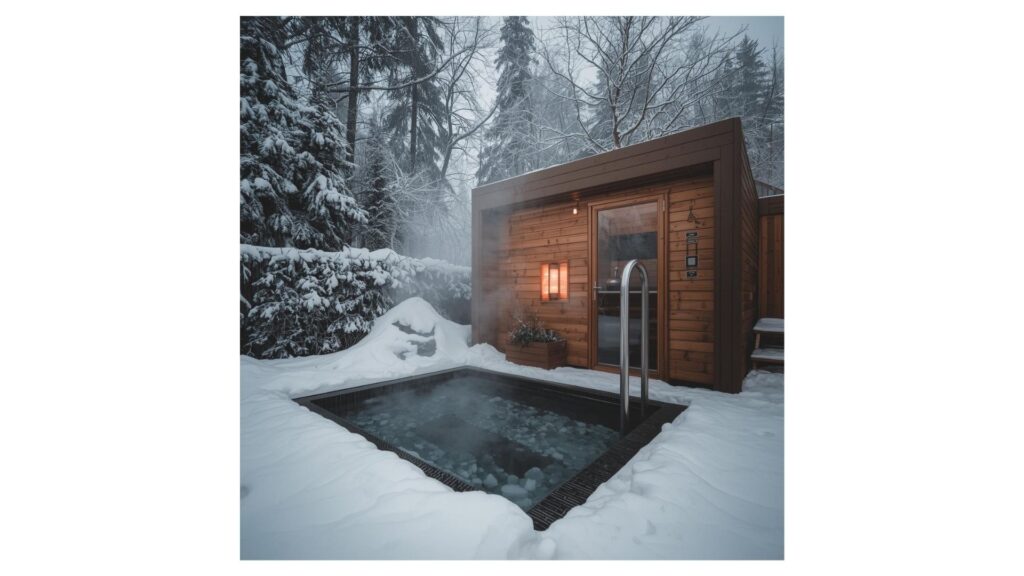
Cold exposure can blunt soreness and discomfort after intense training. While it doesn’t necessarily speed up muscle repair, many people feel subjectively better and more mobile afterward. It can also be paired with sauna use to aid to your recovery.
Short-Term Recovery Support
For athletes or physically active individuals, cold plunging may help manage accumulated fatigue during periods of high training volume.
Nervous System Resilience
Brief, controlled cold exposure can train your ability to remain calm under stress — especially when paired with slow, controlled breathing.
Mood and Alertness
Cold exposure triggers a release of neurotransmitters like dopamine and norepinephrine, which can improve mood and mental clarity for some people.
These benefits tend to be short-term and dose-dependent, not cumulative rewards for suffering longer or colder. There are benefits to cold plunging multiple times a week.
Cold Plunge Benefits That Are Overstated or Misunderstood
This is where much of the online confusion comes from.
“Cold plunging eliminates inflammation”
Inflammation is not inherently bad — it’s part of healing. Chronically suppressing it can interfere with adaptation and recovery, especially for strength training.
“More cold is always better”
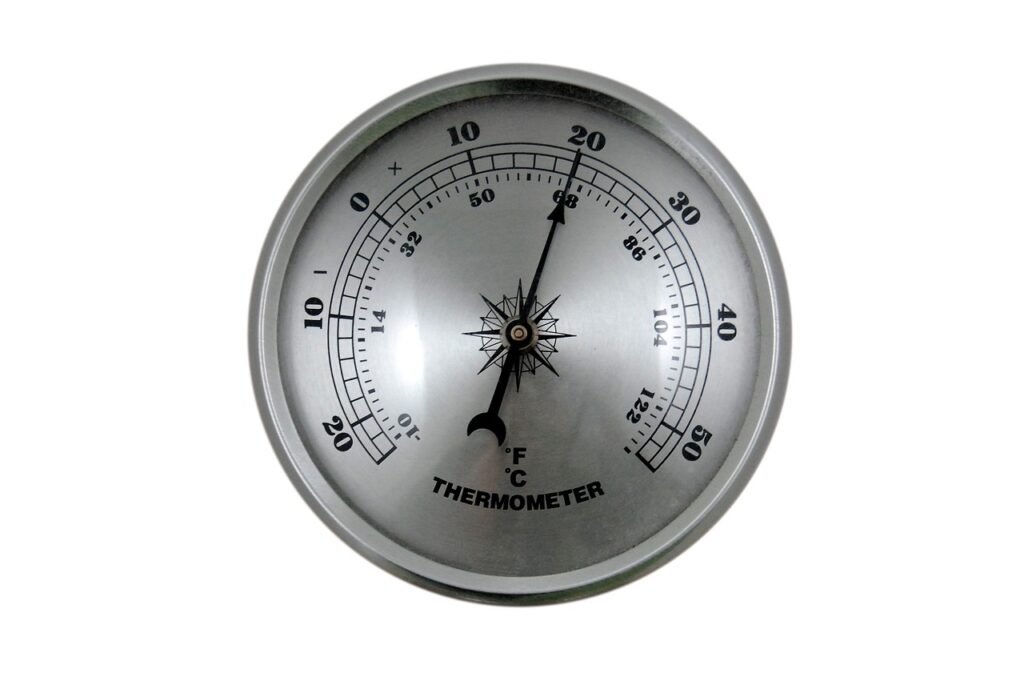
Longer, colder, and more frequent plunges don’t automatically lead to better results. In many cases, they increase overall stress load. Longer, colder, and more frequent plunges don’t automatically lead to better results — and in many cases, they increase overall stress load. Proper temperature control allows you to get the recovery benefits of cold exposure without overwhelming your nervous system, especially when plunging multiple times per week.
“Cold plunging is for everyone”
People with high baseline stress, poor sleep, or chronic health issues may experience worsening symptoms if cold exposure is overused.
Cold plunging is a tool, not a badge of toughness or a universal solution.
Who Should Be Cautious with Cold Plunging
Cold plunging isn’t inherently dangerous, but it isn’t neutral either.
Extra caution is warranted if you:
- Are already highly stressed or burned out
- Struggle with poor or fragmented sleep
- Have chronic inflammation or autoimmune concerns
- Feel consistently worse after cold exposure
Recovery should leave you feeling more regulated, not depleted.
If cold plunging regularly leaves you wired, exhausted, or sore for days, it’s a signal to reassess how — or whether — you’re using it.
How to Use Cold Plunging Sustainably for Recovery
For most people, sustainable cold plunging looks very different from what’s shown online.
General principles:
- Short exposures beat long suffering
- Consistency matters more than extremes
- Breath control matters more than water temperature
- Recovery days are not punishment days
Cold plunging works best when it supports your overall recovery system — sleep, nutrition, training, and stress management — rather than trying to compensate for deficiencies elsewhere.
In future articles, I’ll break down:
- Temperature ranges and safety considerations
- How often to cold plunge
- How to combine cold plunging with sauna use
- When cold exposure may hurt progress rather than help it
Why I Take This Approach to Recovery
I started Smart Recovery Lab as a personal journey toward feeling well and staying capable as I age. I want to continue working out, pushing myself, and improving — but without unnecessary suffering or breaking my body down in the process.
Over time, friends and family began asking what I was doing differently and why I wasn’t chasing extremes the way so many recovery trends encourage. The truth is, I’m less interested in doing the hardest thing possible and more focused on doing what actually helps me feel good day after day.
This site is a way to share what I’m learning in real time — what works, what doesn’t, and what’s sustainable for a normal life. My goal is to help you feel better in your body, recover more effectively, and enjoy your life without turning recovery into another source of stress.
Recovery isn’t about doing the hardest thing possible — it’s about doing the right thing consistently.
Final Thoughts
Cold plunging can be a valuable recovery tool when used with intention, moderation, and self-awareness. It’s not a shortcut, a cure-all, or a requirement for progress.
The goal of recovery is simple:
to feel better, move better, and adapt better over time.
Cold exposure should support that goal — not compete with it.